
You likely use your hands nearly every minute of every day, whether it’s for daily tasks, work, or something as simple as opening a jar or managing medications. Physical therapists we spoke to say maintaining hand use is key to staying functionally independent as you age, and, with the help of a few affordable tools and exercises, you can preserve this ability for as long as possible.
Read more Fed Expected To Raise Interest Rates, Trump To Speak In North Carolina: Live Updates
Phyllis Rogers Ross, an occupational and certified hand therapist at Howard University, told HuffPost that it’s not uncommon to notice reduced grip strength with age. This is because muscle mass begins to decline along with degeneration of other connective tissues, including tendons, ligaments, and joint capsules.
“Adequate muscle strength is essential for maintaining joint stability and facilitating controlled movement,” Ross said. “However, it is important to emphasize that muscle strength is only one factor affecting [hand and wrist] function. Other soft tissue structures, such as tendons, ligaments, and joint capsules, must also be evaluated and considered.”
For most people who have already gotten cleared by their doctors and who don’t have arthritis as a limiting factor, Ross suggests isotonic exercises, which utilize joint movement and can involve lifting weights or using resistance bands, and isometric exercises, which don’t require joint movement and strengthen muscles through static contractions.
The following list of therapy tools mentioned by Liam Globensky, an orthopedic specialist with Brooks Rehabilitation in Jacksonville, Florida, can be used to perform these exercises.
Ross strongly encourages a comprehensive evaluation before beginning a home exercise program independently, as this can help identify specific deficits and areas of impairment.
Globensky said to start with low resistance and begin with 1-2 sets of 8-12 repetitions, two to three days per week.
“Pain is important information,” Globensky said. “Mild muscle fatigue is okay; sharp pain, lingering joint pain, increased swelling, numbness, or symptoms that last into the next day usually means the exercise was too much.”
Take a look at the therapy balls, putty, hand webs, and other devices that may keep your hands and wrists strong and you independent.
The experts consulted for this story do not necessarily endorse the products ahead unless otherwise noted.
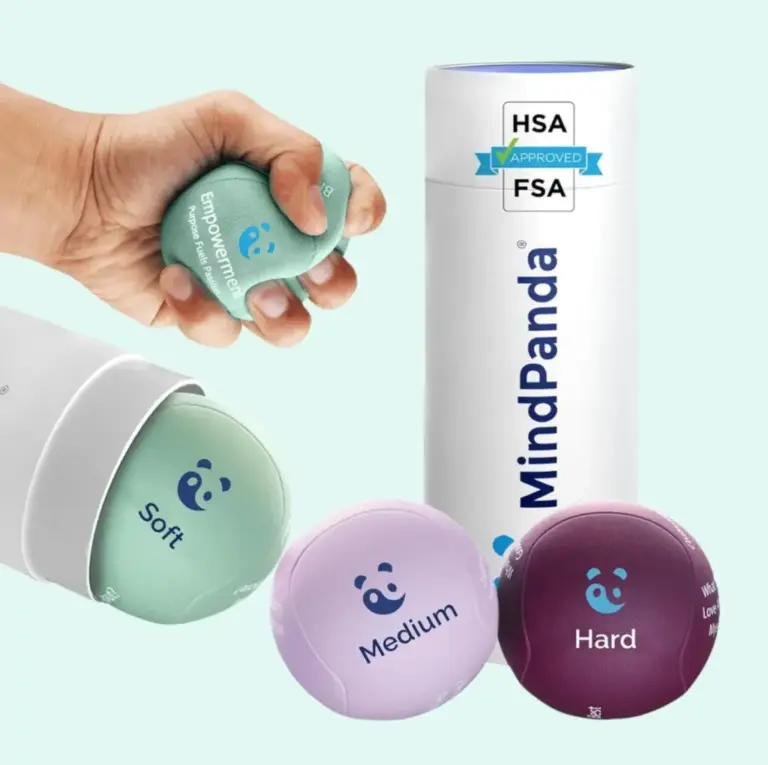
A set of multi-density therapy balls
Globensky mentioned soft therapy or stress balls to maintain general grip endurance and hand-closing strength.
“Hold the ball with the wrist straight. Squeeze gently, hold 2-3seconds, then slowly relax,” he said.
Globensky did not recommend a specific set or brand of therapy balls, but we found this highly rated option that includes three balls of ascending resistance, and each are covered in a BPA-free, non-slip material that makes gripping easy.

Therapy putty in assorted resistance
Globensky said therapy putty can help with grip, pinch, finger coordination, and dexterity. Exercises you can do include squeezing, rolling, pinching, pulling apart, and pressing fingers into the putty.
Based on this suggestion, we found this four-pack of therapy putty made from a stretchy and non-toxic silicone that won’t irritate skin. They come in four resistance levels, color-coded for easy identification, in airtight containers.
“Choose a soft resistance first,” Globensky said.
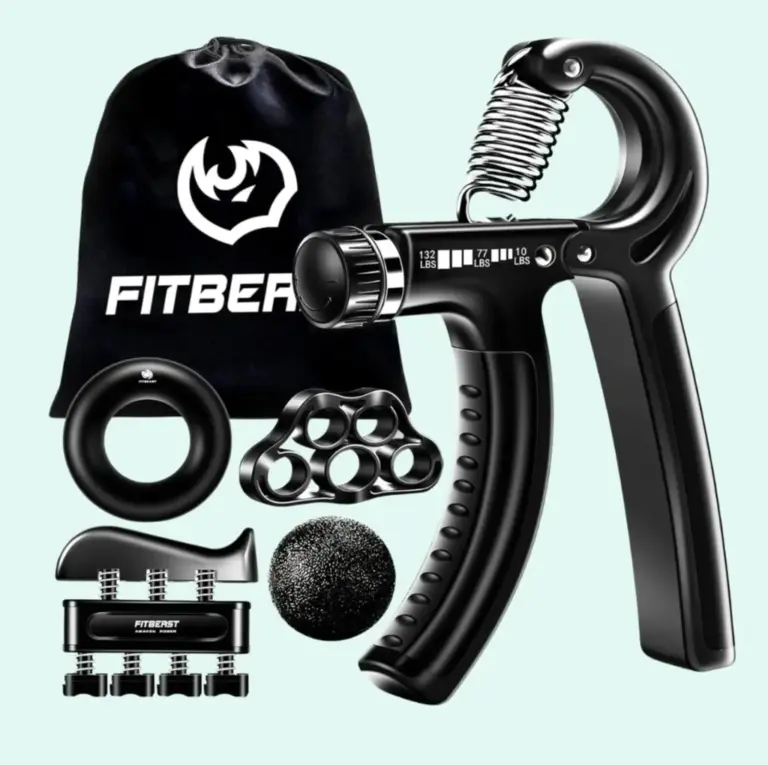
An adjustable grip strengthener
For hands that are stronger, pain-free, and able to tolerate greater resistance, Globensky said that hand grippers with adjustable resistance may be useful. He didn’t suggest a specific brand or model, but the FitBeast set is a highly rated and recognized option on Amazon, made with an ergonomic design and several levels of adjustable resistance.
“Keep the wrist neutral and squeeze slowly. Avoid using a very heavy setting or forcing the handles closed,” Globensky said, adding that he’s more cautious with devices of this kind for people who have arthritis, a recent flare, or visible swelling.
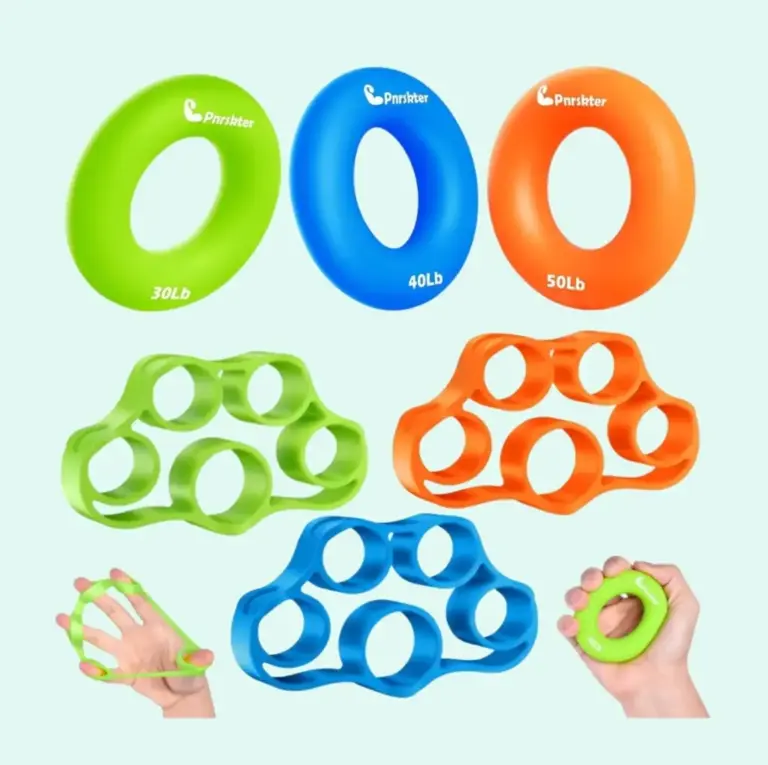
A set of band exercisers for finger strength
Also a suggestion from Globensky: rubber band-style finger exercisers and stretchers. According to him, these types of tools help with finger-opening strength, which balances all the gripping we do.
“Place the band around the fingers and thumb. Slowly spread fingers apart, then return with control,” Globensky said.
Based on his guidance, we found this extensive set of band-style hand and finger trainers that come in three resistance levels and are made from washable silicone.
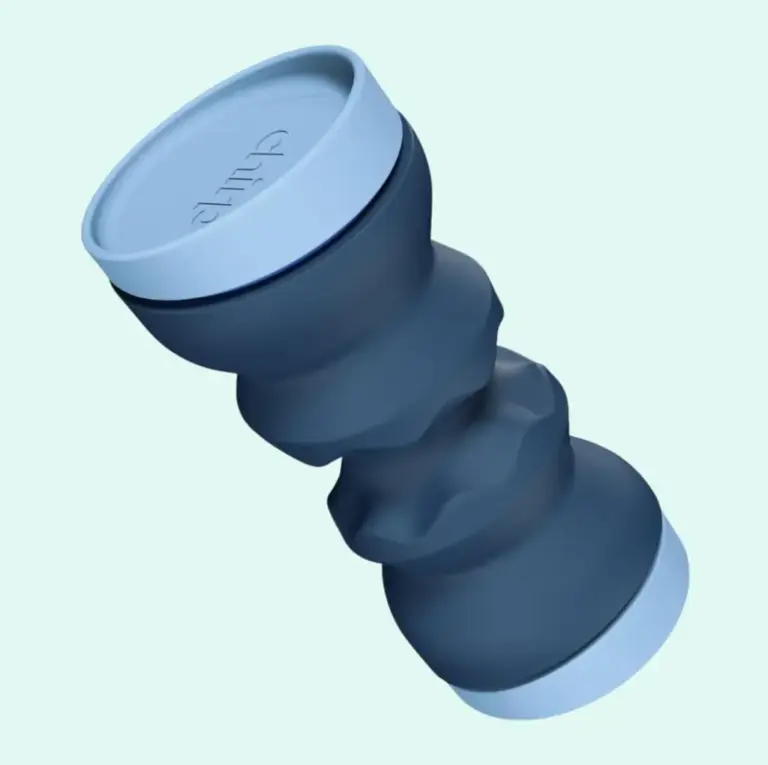
A lightwieght dumbbell and roller
Tools like light dumbbells can strengthen the wrist muscles required for lifting, carrying, and using mobility aids, according to Globensky.
“Rest the forearm on a table or thigh. Move only the wrist up and down, then palm-down for wrist extension,” he advised.
No dumbbell in particular was mentioned, but we chose this versatile weight by Chirp because not only is it specifically designed for hand and wrist strengthening, it can also be used as a massage roller and fascia release tool for areas like the palm and forearm. This one-pound weight creates “rolling pressure as you pronate and supinate, training the same wrist and forearm muscles a wrist curl bar targets,” according to the brand.
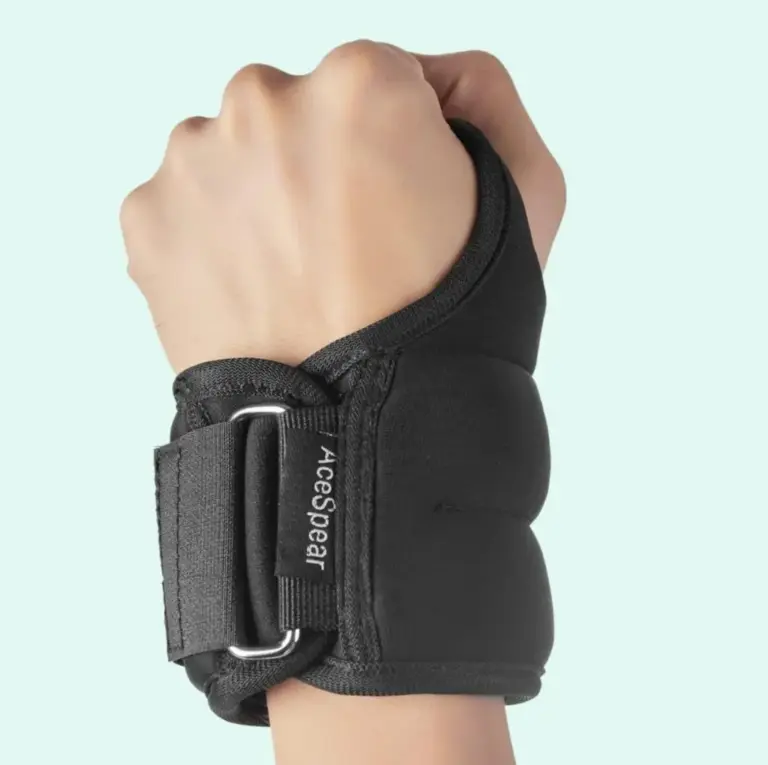
A pair of light wrist weights
Similar to the ways a light dumbbell can be useful, Globensky suggests wrist weights in the same way. This pair of wearable weights, which we selected, comes in one-, two-, or three-pound options and fits securely around the thumb to prevent the weight from sliding down.
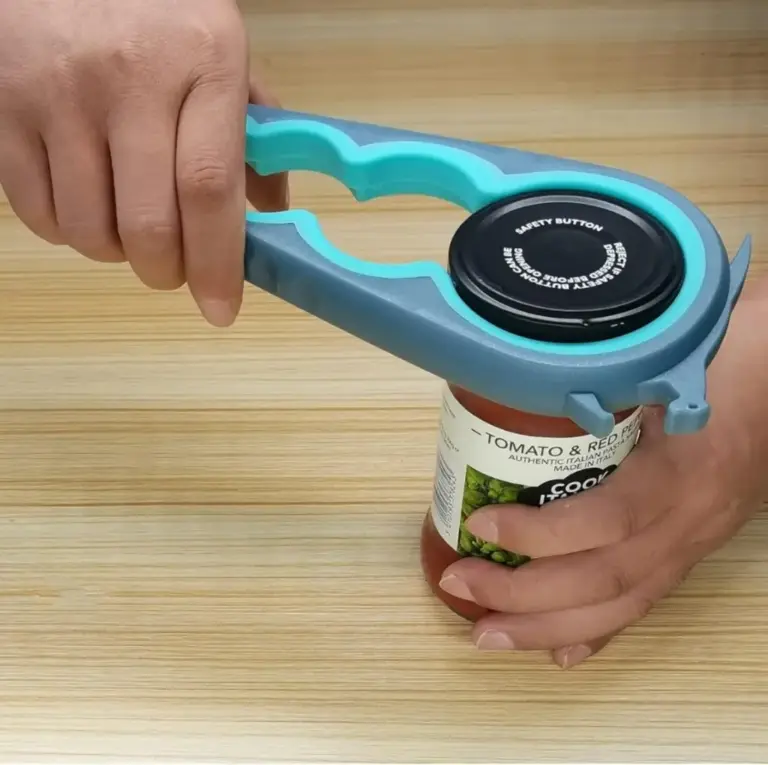
A jar opener that’s helpful for people with arthritis
A tool that Globensky mentioned, especially for people with arthritis, is an opener tool, which can help those with reduced grip strength open jars and bottles effortlessly. HuffPost readers are fans of this particular design by Ostar, which we chose to include on this list. It has eight different-sized circular openings to fit essentially any bottle or jar, and a can opener feature at the top.
Read more People Told Us The Helpful, Non-Drug Solutions That Help Them Sleep On Planes










Leave a Reply