

OK, so hot dogs aren’t the world’s healthiest food, but admit it: If they weren’t on the menu at summer barbecues, it’d feel like losing a friend.
Read more Watch Out For The ‘Can You Hear Me?’ Phone Scam Happening Now
Fortunately, with a growing number of healthier hot dogs hitting supermarket shelves, it’s become possible to indulge and still go easy on your body. You just need to know what to look out for.
First things first: “Avoid traditional or ballpark-labeled hot dogs,” Nicole Avena, a New York-based nutrition consultant, told HuffPost. “These are usually the highest in sodium and contain the most additives and preservatives.”
All processed meats are a health risk ― they’ve been linked to certain types of cancer, like colorectal cancer, because of the way they’re preserved. But there are a few types of meat that offer less risk than the standard beef hot dog, Avena said. Look for a label that indicates whole beef, turkey or chicken, as opposed to mechanically processed and separated meats.
Another important factor is sodium content. “Choose hot dogs that have less than 400 mg (or less than 20% of the daily value) of sodium per serving,” said Gretchen Zimmermann, senior director of cardiometabolic care for Vida Health. (The Dietary Guidelines for Americans recommend that adults limit sodium intake to less than 2,300 mg per day.)
Other indications of a higher-quality hot dog are if they’re uncured and nitrate- and nitrite-free, and have minimal ingredients. “Overall, uncured chicken or turkey hot dogs would be a better option, because they’re usually lower in saturated fat and less processed than beef,” Avena said.
But even if the label says “uncured,” “no nitrates added” or “all natural,” it doesn’t mean these options are necessarily healthier. Natural preservatives, such as celery powder and celery salt, may sound better, but there’s no evidence they’re safer, so it’s still best to minimize your intake.
Read more 2026 TV Shows, Movies And Awards: What You Need To Know
The same goes for veggie dogs: Choose dogs with minimally processed ingredients, such as tofu, instead of heavily processed soy protein concentrate or isolate.
“An occasional processed veggie dog isn’t likely to be harmful, but these soy ingredients haven’t been well-studied, so there are still some concerns about their safety,” said Samantha Cassetty, nutrition expert and co-author of “Sugar Shock.”
To save you time scanning nutrition labels, here are the healthiest and the least healthy store-bought hot dogs according to nutritionists.
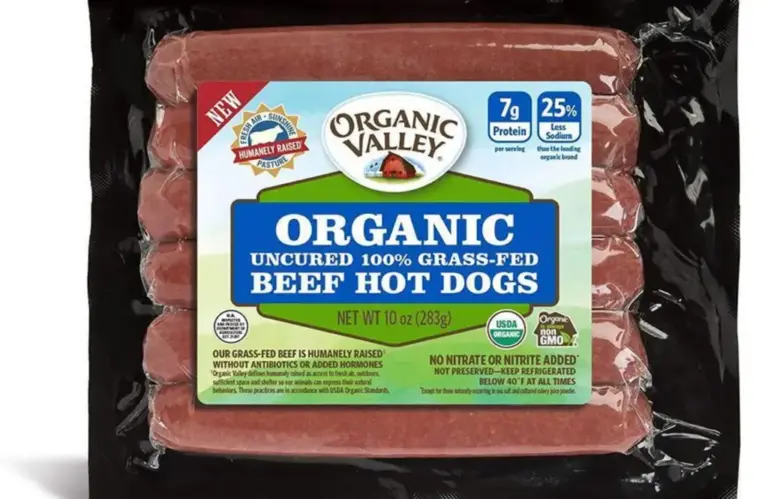
A healthy beef option: Organic Valley Uncured 100% Beef Hot Dogs
Because they’re uncured, this makes them your best bet for avoiding high amounts of carcinogens — and compared to traditional dogs, they’re lower in calories, sodium and saturated fat.
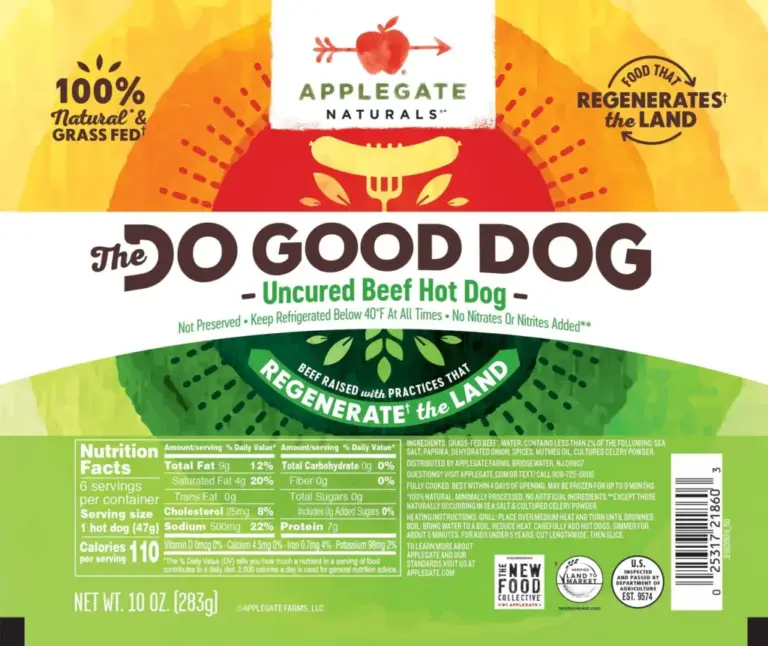
A healthy beef option: Applegate Naturals Do Good Dog Uncured Beef Hot Dogs
“You are what you eat, and a healthier diet for the animal you’re consuming means a healthier diet for you too,” said Marissa Meshulam, a registered dietitian based in New York City.

An unhealthy beef option to avoid: Ball Park Brand Prime Uncured Beef Franks
The recommend limiting calories from saturated fat to less than 10% of one’s total calories per day to promote heart health. “A 2,000-calorie diet would equate to less than 20g of saturated fat per day,” Zimmermann said. “The Ball Park Prime Uncured Beef Franks provides nearly half that amount in one serving.”
Even before the bun, ketchup and other salty condiments and accessories are added, these hot dogs pack a whopping 710mg of sodium in one serving, as well as 230 calories, 20g of fat, 9g of saturated fat, 2g of carbohydrates and 9g of protein. Bottom line: Yikes.
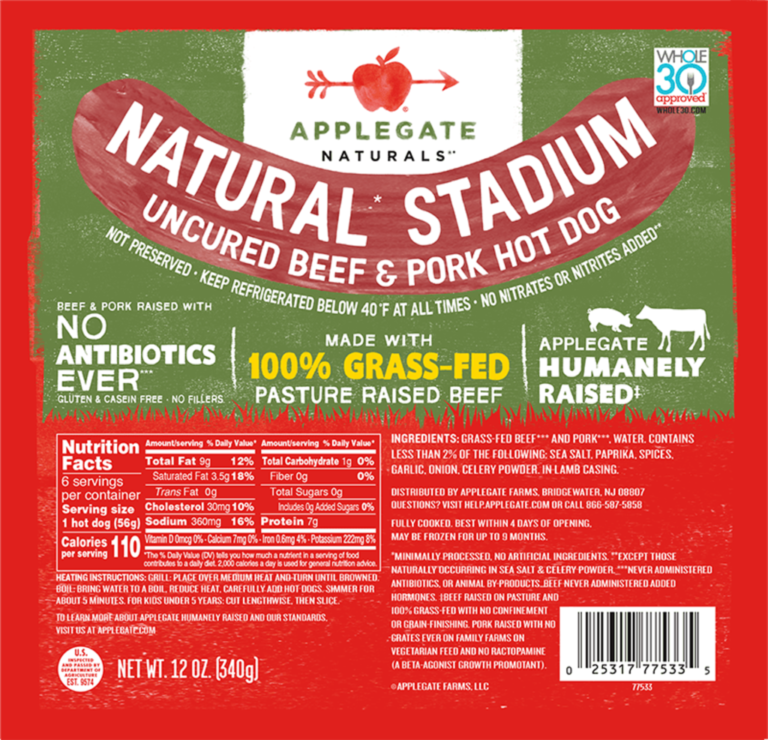
A healthy pork blend: Applegate Naturals Natural Stadium Beef and Pork Hot Dogs
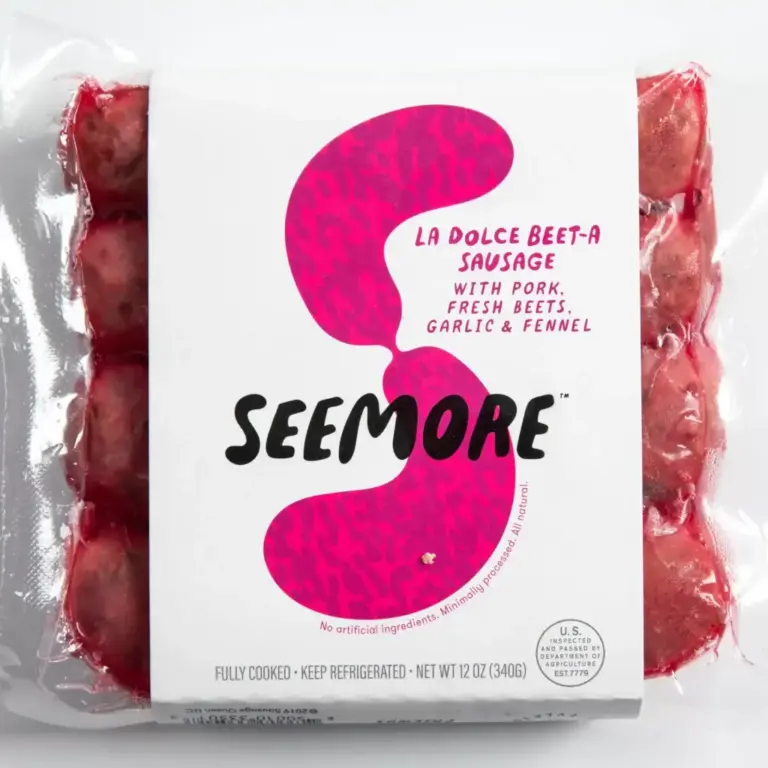
A healthy pork blend: Seemore La Dolce Beet-a Pork Sausages
There are no preservatives or phosphates, and the only nitrates or nitrites are those that naturally occur in cultured celery powder and sea salt.
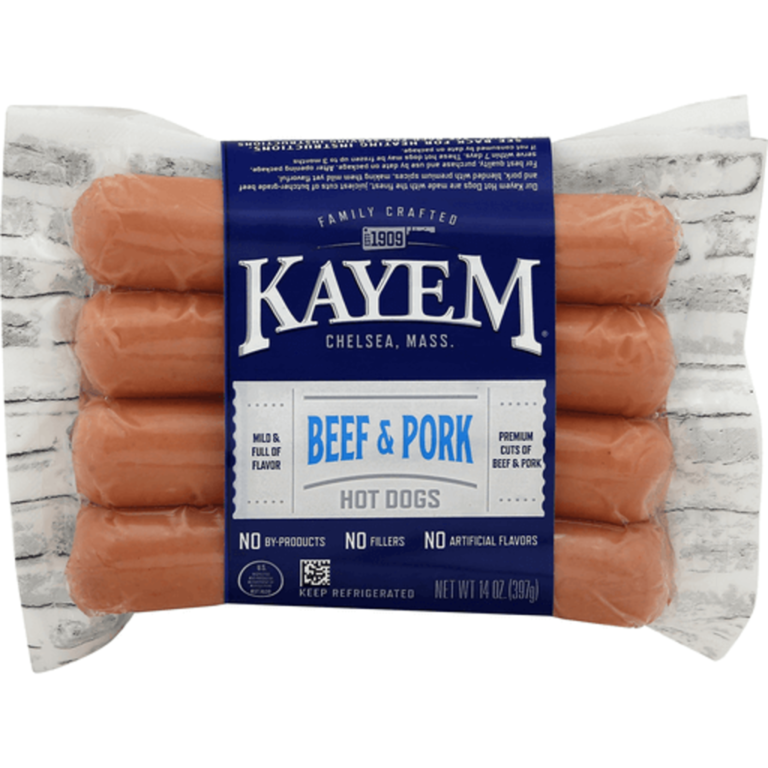
An unhealthy pork blend to avoid: Kayem Beef & Pork Hot Dogs
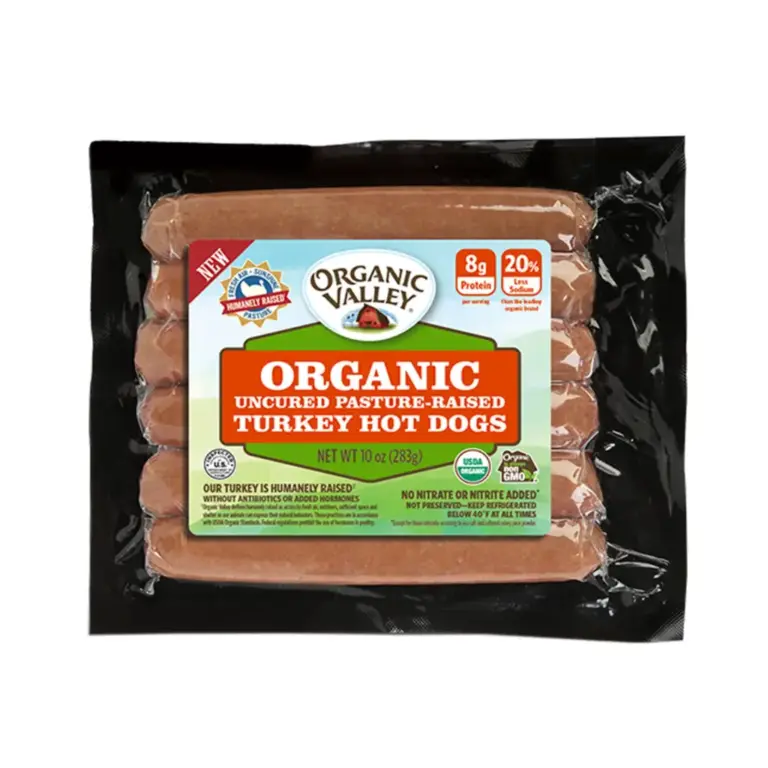
A healthy turkey option: Organic Valley Uncured Pasture-Raised Turkey Hot Dogs
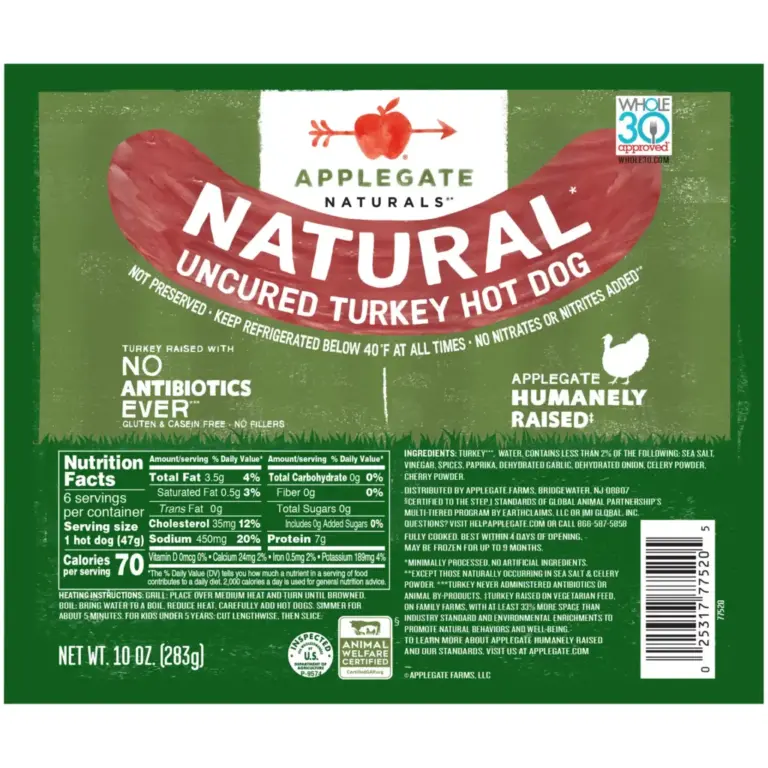
A healthy turkey option: Applegate Natural Uncured Turkey Hot Dog
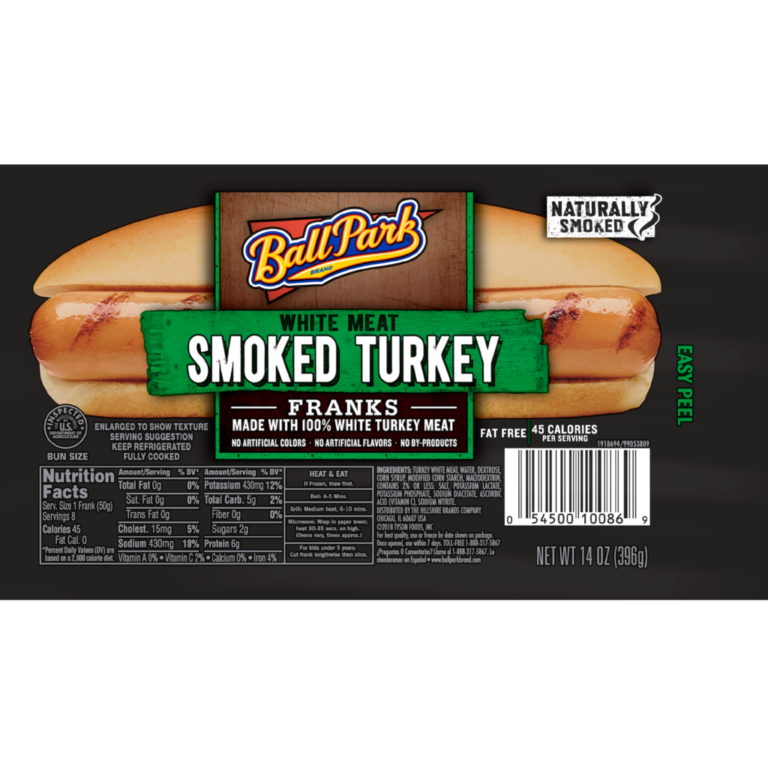
An unhealthy turkey option to avoid: Ball Park Brand White Meat Smoked Turkey Franks
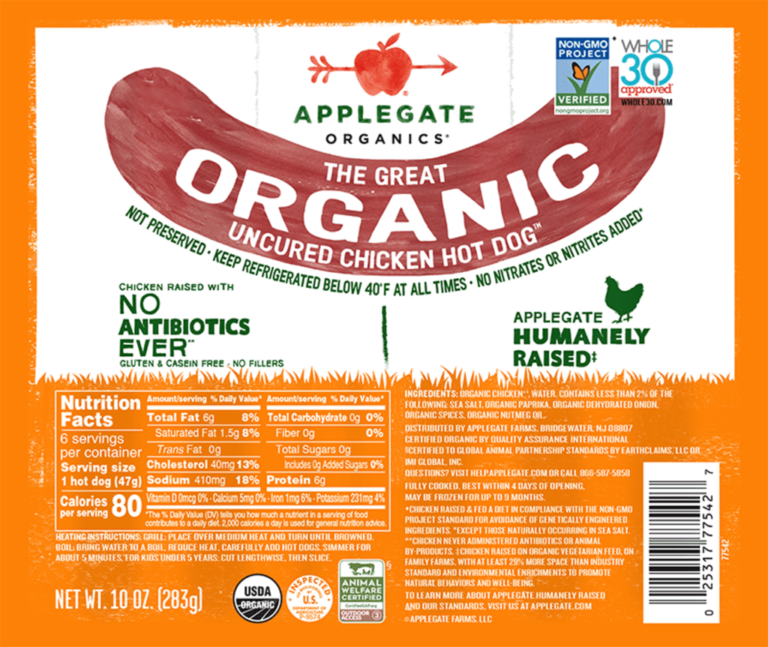
A healthy chicken option: Applegate Organics Great Organic Uncured Chicken Hot Dog
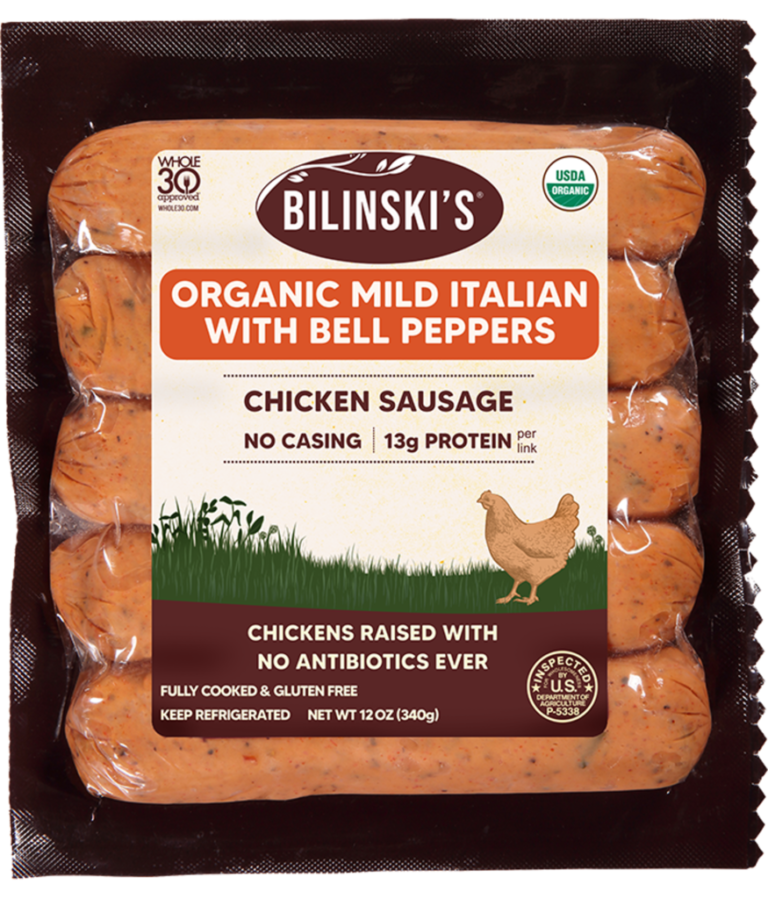
A healthy chicken option: Bilinski’s Mild Italian Chicken Sausage with Bell Peppers

An unhealthy chicken option to avoid: Gwaltney Original Chicken Hot Dogs
“The word ‘natural’ isn’t regulated by the FDA and can mislead consumers,” Zimmermann said. “Overall, the high sodium content and long list of ultra-processed ingredients make this chicken dog a no-go.”

A healthy vegetarian option: Upton Naturals Updog Vegan Hot Dog

A healthy vegetarian option: Jack & Annie’s Jackfruit Sausages
Instead, go for a real plant-based protein (like tofu, beans or legumes). Jack & Annie’s Jackfruit Sausages, for instance, are made with a base of jackfruit — a plant that eats like your favorite meat — and prepared with natural seasonings.
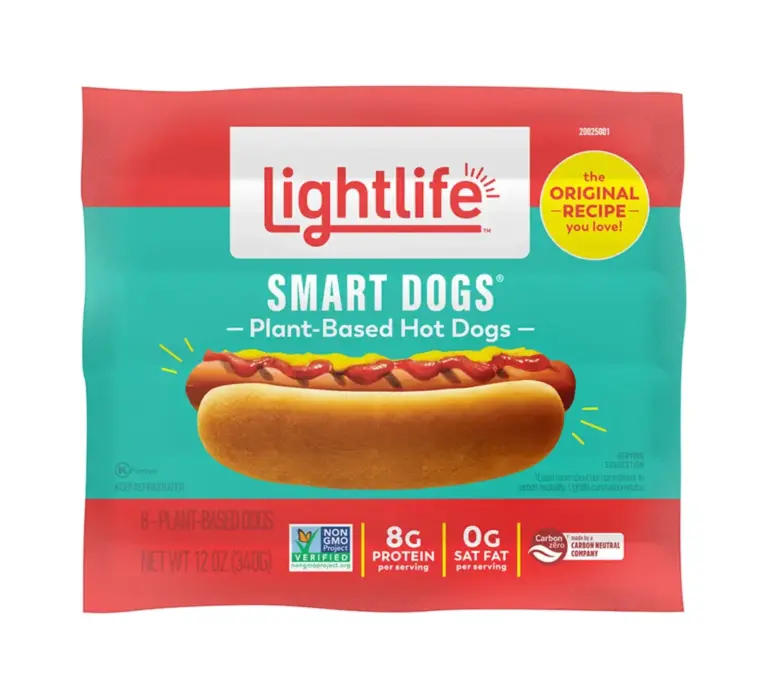
An unhealthy vegetarian option to avoid: Lightlife Smart Dogs
What if your favorite hot dog is one of the “unhealthy” options listed above?
If any of your go-to dogs made the “steer clear” list, it doesn’t mean you have to ghost them. “Going to barbecues and eating less healthy foods are part of living a joy-filled life,” Cassetty said.
Her advice? If you feel that no family barbecue is complete without a Ball Park frank in your hand, then have one and enjoy. Just don’t make hot dogs a way of life.
“The occasional hot dog at a barbecue when you’re otherwise eating a mostly healthy diet isn’t going to wreck your health,” Cassetty said. “So pick the one you’ll enjoy and be mindful of your diet as a whole.”
Read more Drake Is A Sore Loser On ‘Iceman.’ Sounds Like Someone Else We Know.
The original version of this story was published on HuffPost at an earlier date.






Leave a Reply