
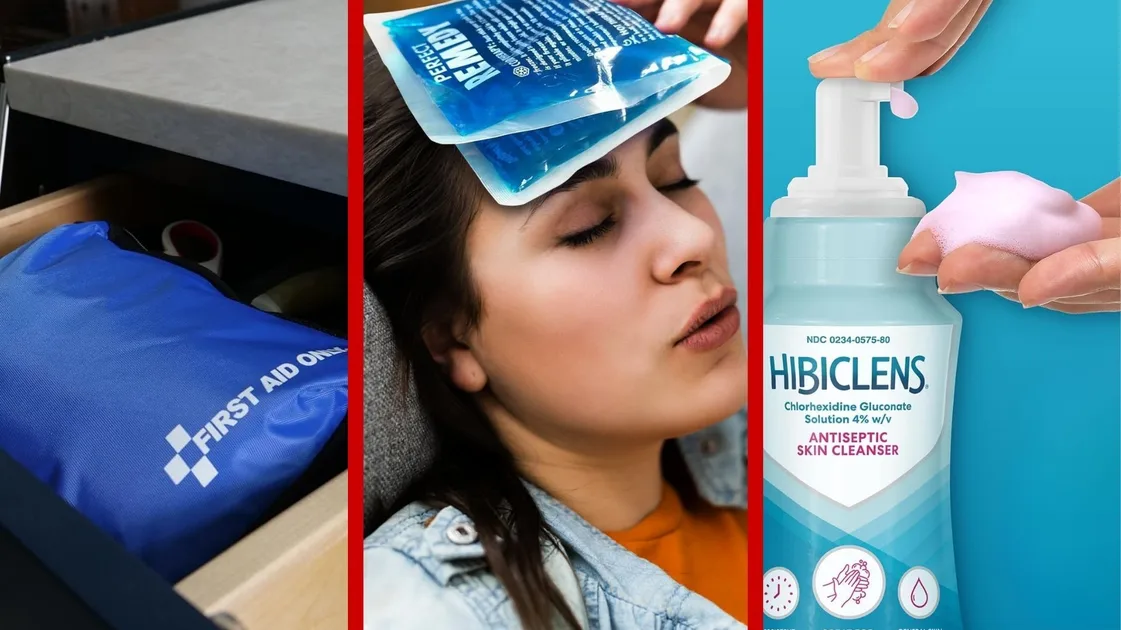
The experts consulted for this story do not necessarily endorse the products ahead unless otherwise noted.
Read more U.S. Stocks Open Higher While Oil Prices Continue To Climb
Part of what makes medical emergencies so scary is that, by nature, they can happen completely unexpectedly. Staying prepared with a fully stocked first aid kit, supplemented with other potentially lifesaving essentials, can be a great way to manage your anxieties, save you a trip to the emergency room or, at the very least, act fast while waiting for professional help to arrive. But just purchasing a first-aid kit from a local store and calling it a day might not be enough.
Ernest Grant, associate professor at Duke University School of Nursing and a leading expert in burn care, said one of the most common mistakes people make when it comes to stocking their at-home first aid kits is that they fail to keep it up to date, allowing the contents to expire and thus be less effective.
“Take a quick inventory of what you have and the dates on the packaging to see what you may need to restock,” Grant said.
Melanie Gibbons Hallman, an emergency nurse practitioner and an assistant professor at the University of Alabama at Birmingham School of Nursing, added thatyou should alsobe highly aware of things like age and existing health conditions of all of the people in your home in order to have the most effective kit.
“Some over-the-counter medications may react with prescription medications; for example, aspirin or ibuprofen may interfere with blood thinners. Therefore, all drugs in the kit should be approved by a healthcare provider familiar with the medications that every potential user of the kit may be taking,” Hallman said.
Grant also pointed out that the medication you do have in your kit, especially over-the-counter ones, should be kept out of reach of children and pets.
Regardless of the medical situation, a well-curated first aid kit could make a difference.Whether you are treating a dog bite, skin abrasion, or something more severe, Hallman and Grant helped create the following list of items to keep you and your loved ones prepared in case of a medical-related emergency, thoughand none of these items listed should be considered as complete substitutes for the care of a medical professional. .
Always seek the expertise of a healthcare provider if you’re unsure. Grant said that though 911 is the universal emergency number for about 97% of the country, in other areas a different number may be used, and the non-emergency numbers for your local police, fire, or EMS are good to keep handy.
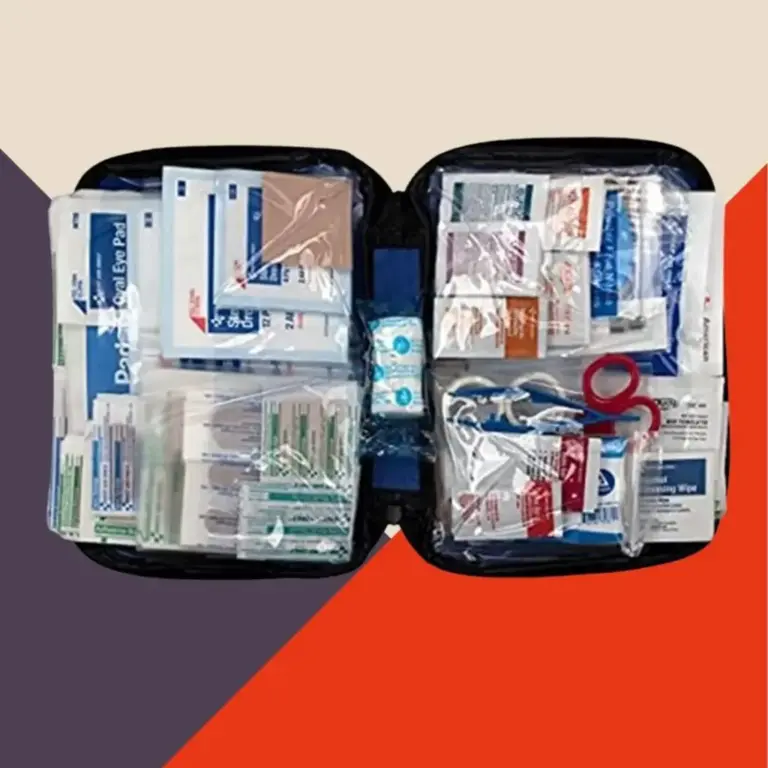
A bestselling basic first aid kit
This 298-piece first aid kit has over 45,380 five-star ratings on Amazon and can be a great place to start when building your own emergency kits at home. It has everything from a disposable thermometer to trauma pads for more severe wounds to moleskin that prevents blister formation on burns. This essentials kit is also a compact size, making it great for travel and easy storage.
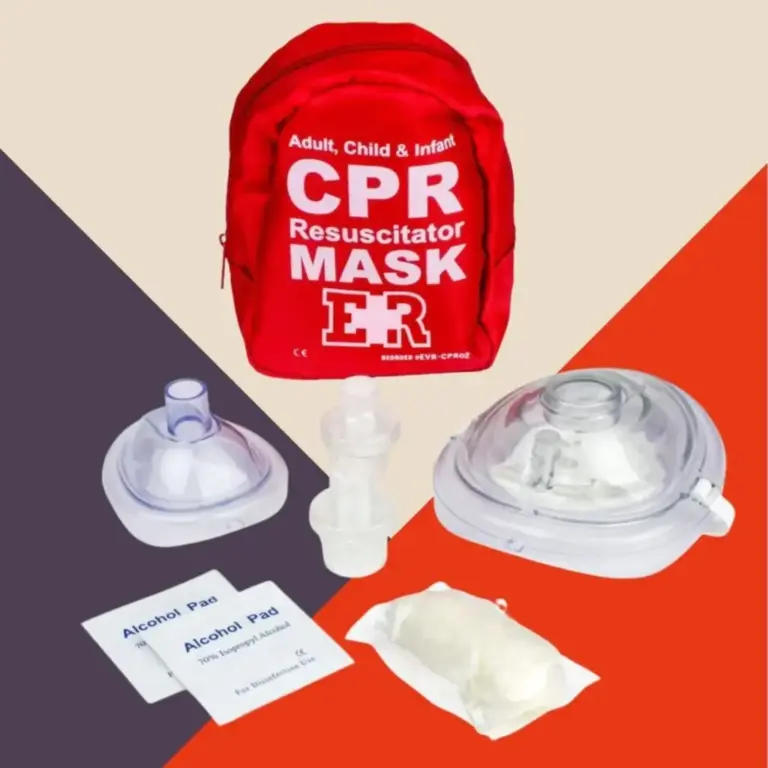
A breathing barrier CPR kit to potentially help with restricted airways
For instances when rescue breathing becomes necessary, Hallman suggested including a breathing barrier kit in your emergency collection. Based on that advice, consider this CPR kit that includes masks sized for infants, children and adults, as well as a one-way valve to help administer air without the risk of contracting communicable diseases. It’s also small enough to fit in a pocket or on a belt loop for easy access.
Hallman said that CPR training is often advised, which you can receive through the American Red Cross along with basic first aid skill development.
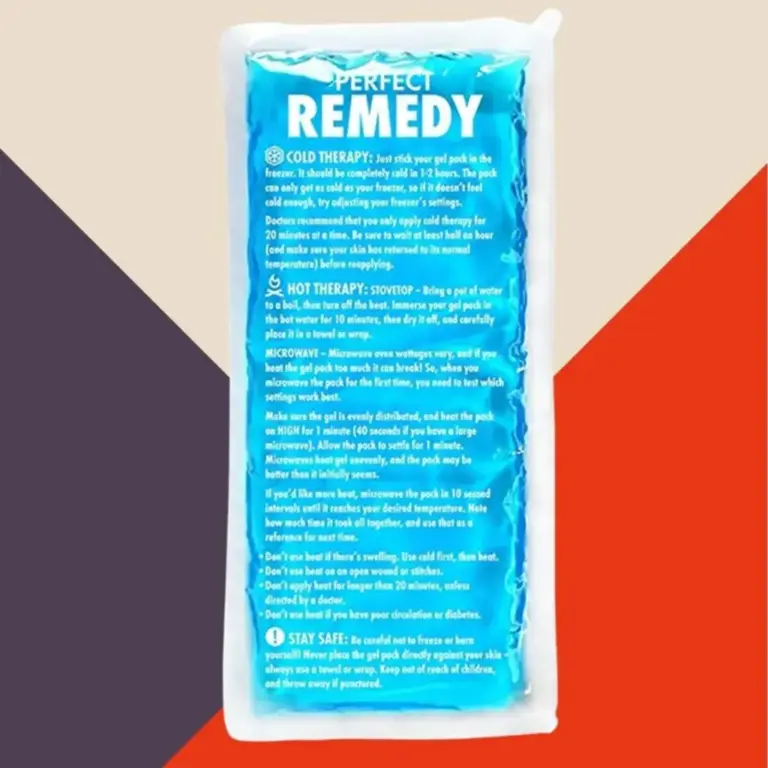
A set of cold packs for swelling and heat-related injuries
For minor burns or other injuries, this set of reusable gel cold packs can reduce pain and swelling. The higher gel content in these packs mean they hold on to cold for longer, but also remain pliable even when frozen so you can mold them over body parts or injuries. They can also be heated to help reduce joint or muscle pain.
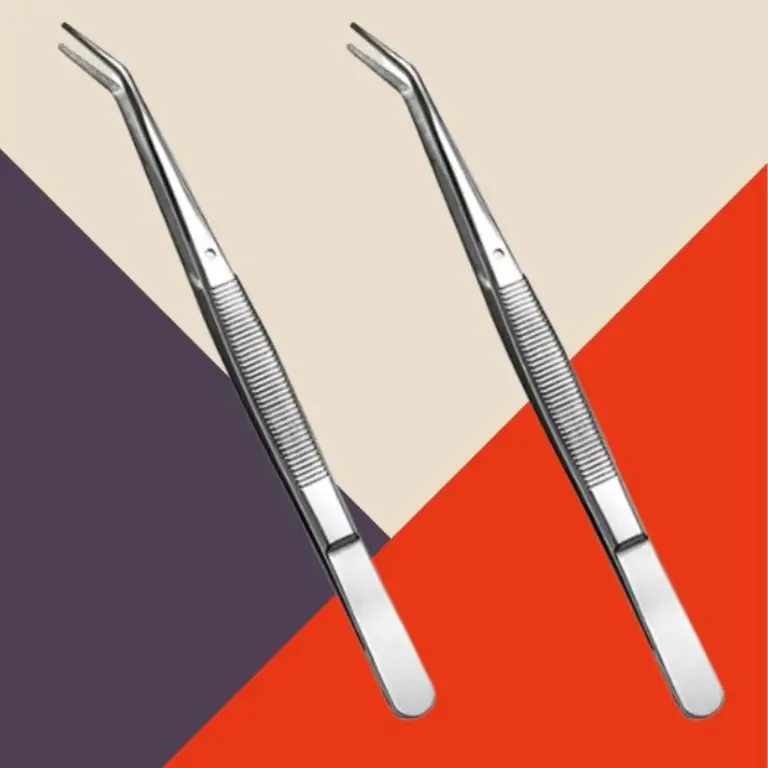
A pair of medical tweezers for imbedded splinters or glass
If you need to remove painful splinters, pieces of glass or other foreign objects from the skin, Hallman recommended adding medical tweezers to your kit. We liked this set of curved stainless steel tweezers that have serrated tips for better grip and are resistant to corrosion.
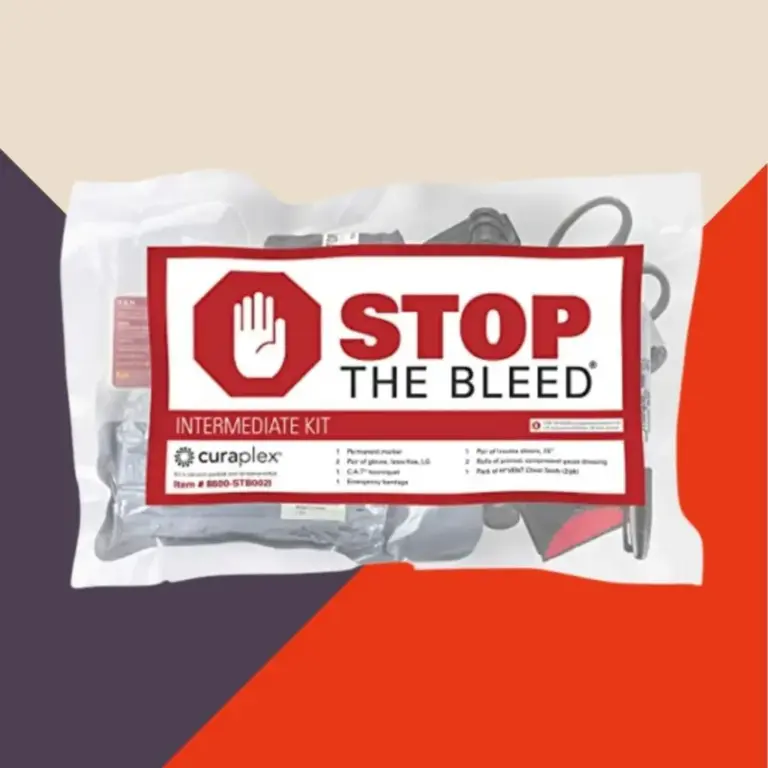
A bleeding control kit that can minimize blood loss
Hallman said a kit containing a commercial tourniquet, bandages and an indelible marker pen can be vital when dealing with accidents that require you to immediately stop traumatic bleeding until professional assistance arrives. We found this this intermediate kit that also contains tactical scissors for quickly cutting through clothing to access a wound, as well as a chest seal to help prevent hemorrhaging.
Hallman also recommended that if you are going to invest in a bleeding control kit, you should take part in the Stop The Bleed training course to help you be more effective in these potentially life-threatening situations.
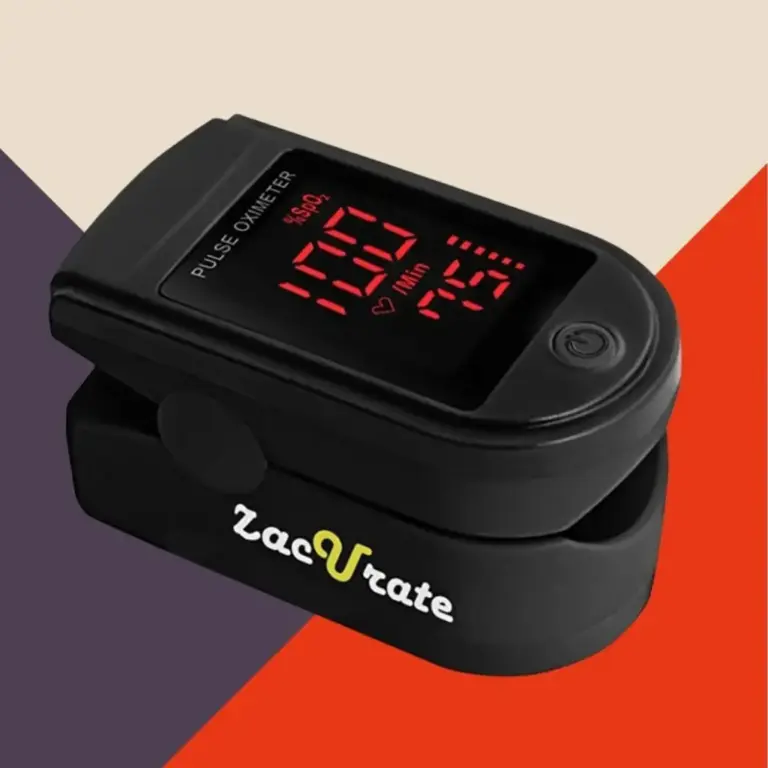
A pulse oximeter to monitor how well someone is oxygenating
For situations in which someone may be experiencing labored breathing, COVID-19 symptoms or lung complications, a pulse oximeter might be a useful way to monitor heart rate and oxygen saturation in the blood at home. This accurate and reliable oximeter has over 145,000 five star ratings on Amazon and accommodates a wide range of finger sizes.
Read more The Best Shampoos To Use If You’re Concerned About Hair Loss, According To Derms
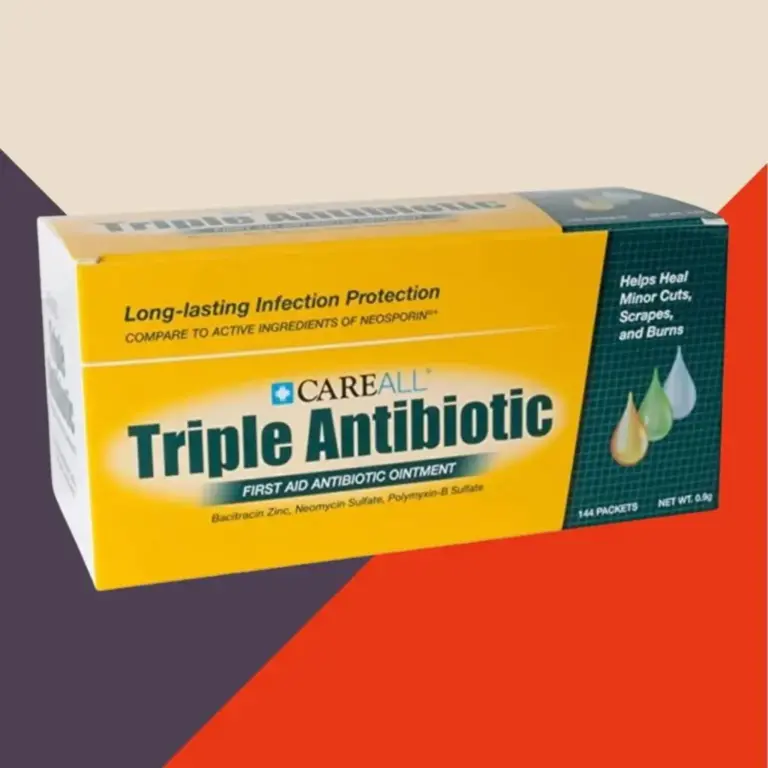
Single-use triple antibiotic packets for a variety of injuries
Hallman said to opt for single-use packets of antibiotic ointments over tubes in order to avoid cross contamination. Per her suggestion, we chose this pack of triple antibiotic ointment. It comes with 144 individual packets and can provide protection against infection for up to 24 hours.
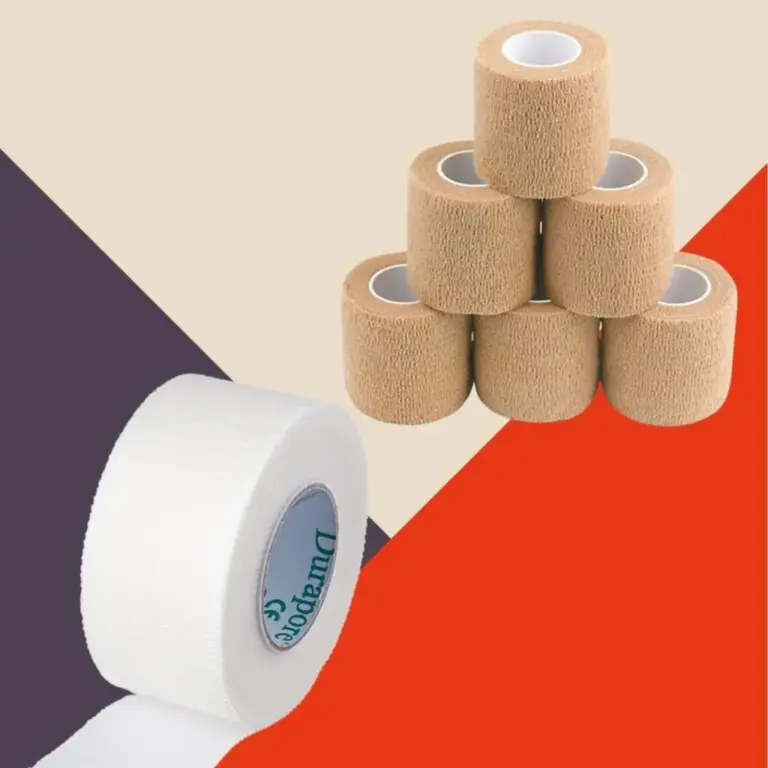
Cloth silk tape and a cohesive roll for wrapping bandages
Cloth silk tape and cohesive wrapping are two good means to keep dressings in place without irritating the skin. Hallman recommended silk tape between a 1- and 2-inch thickness as well as rolled cohesive bandages to place over larger wounds that may be covered in gauze. Based on his advice, we found options for each on Amazon.
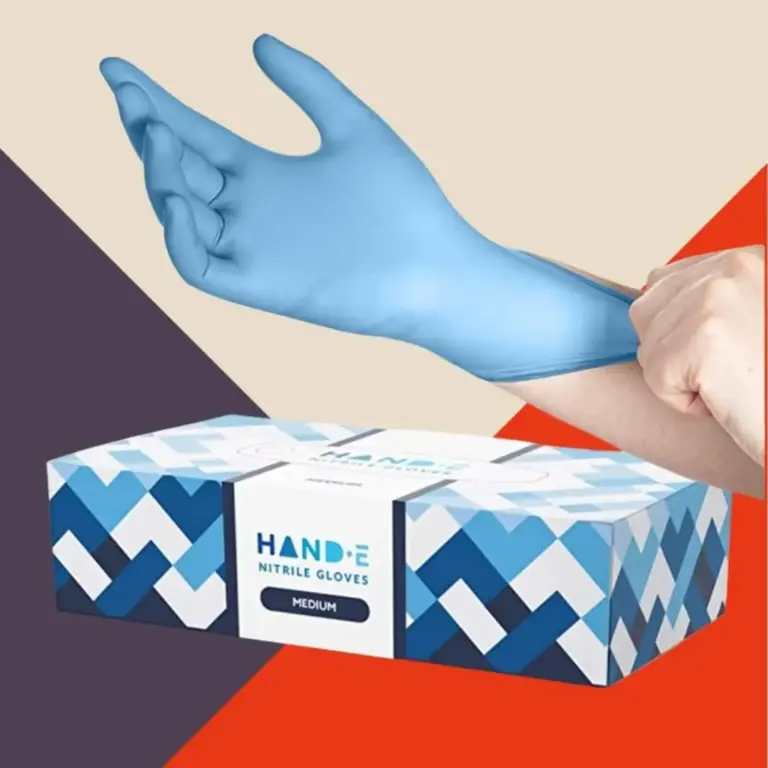
A pack of non-latex gloves for dealing with bodily fluids
If you’re in a situation in which there are bodily fluids that you want to avoid touching, Hallman said having latex-free gloves on hand can be useful. These disposable nitrile gloves are the strongest form of rubber gloves and can be used even for food prep that involves raw meat. They are also touchscreen compatible.
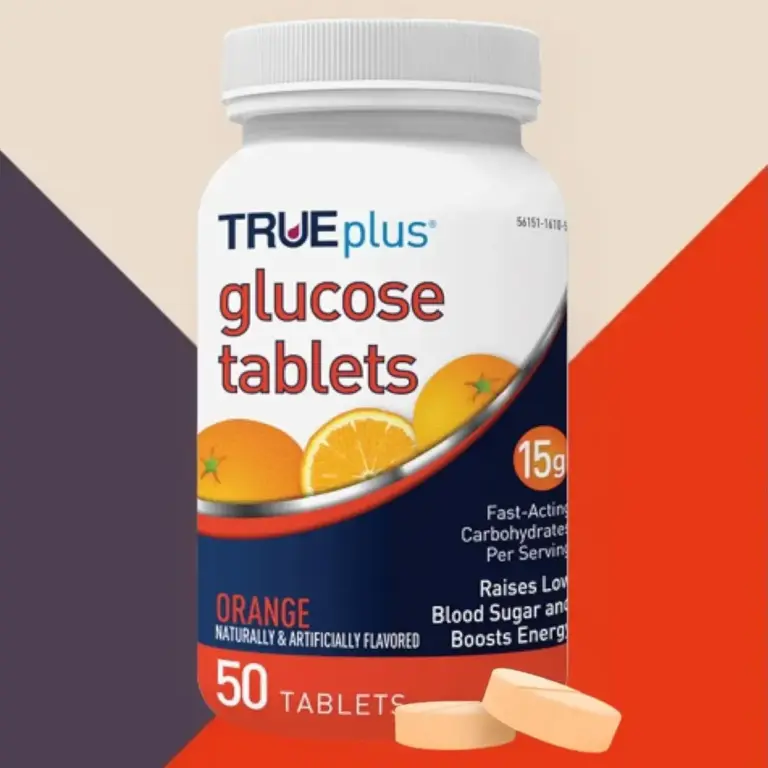
A pack of glucose tablets to quickly raise blood sugar
If you or a loved one has diabetes and is insulin dependent, then you probably know the importance of having glucose tablets close by to prevent hypoglycemic shock. These orange-flavored glucose tablets are fast-acting to quickly raise and stabilize blood sugar.
Hallman said it’s important to monitor blood sugar levels often and visit your medical provider regularly, especially if you consistently experience low blood sugar.
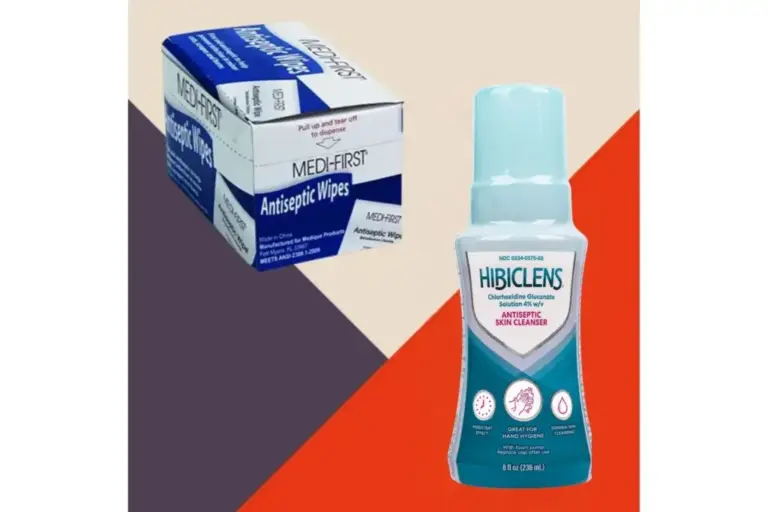
Antiseptic wash and wipes for wound care
Hallman suggested antiseptic wipes and wash to clean wounds and help prevent infections. Based on her advice, we found this 20-pack box of antiseptic wipes that are individually packaged to prevent them from becoming dried out and can be useful for clean-up on the go. This liquid skin cleanser is both antibacterial and antimicrobial and is gentle enough even for sensitive skin.
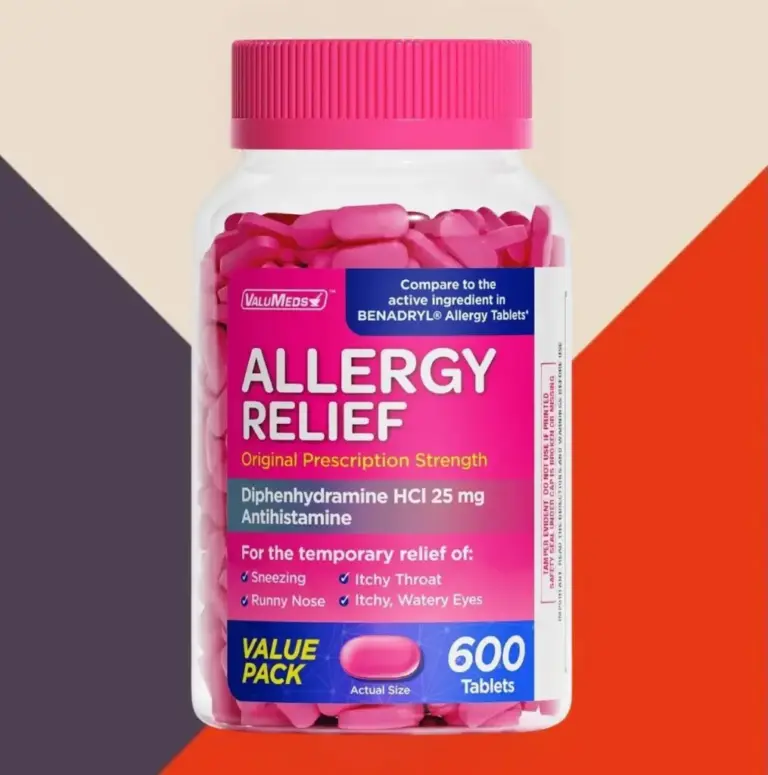
An antihistamine for minor allergic reactions (only if approved by your doctor)
“Antihistamines such as diphenhydramine are often helpful for treatment of minor allergic reactions to bites and stings,” Hallman said.
That said, Hallman did stress that more severe cases of allergic reactions may require an up-to-date epinephrine injector prescribed by a doctor. But if you need something to keep on hand for minor issues,we suggestthese multi-symptom relief tablets. The pills are 25 mg each and can even be suitable for upper respiratory allergies.
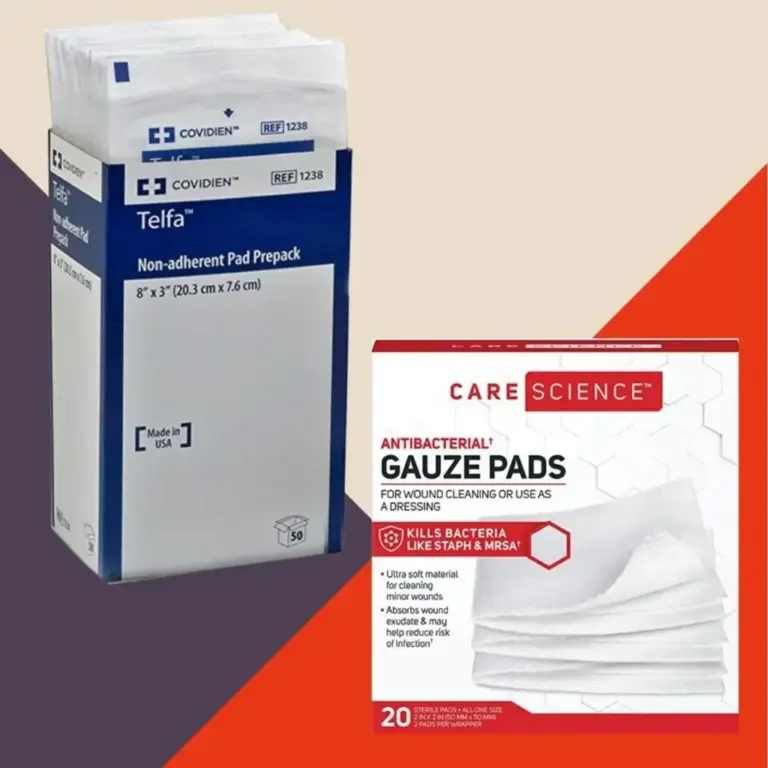
A variety of dressings and gauze for all kinds of wounds
Hallman said having a variety gauze pads, dressings and bandages can be useful in protecting wounds that are bleeding or weeping. Thinner gauze pads can be stacked for compression dressings and non-adherent dressings are good for skin that is fragile or compromised.
We found a pack of 50 non-adherent pads (pictured left) are sterile and individually wrapped. They are bonded on both sides with a non-adherent film to avoid sticking to wounds and disrupting healing tissue. You can also find antibacterial bandages from Care Science.
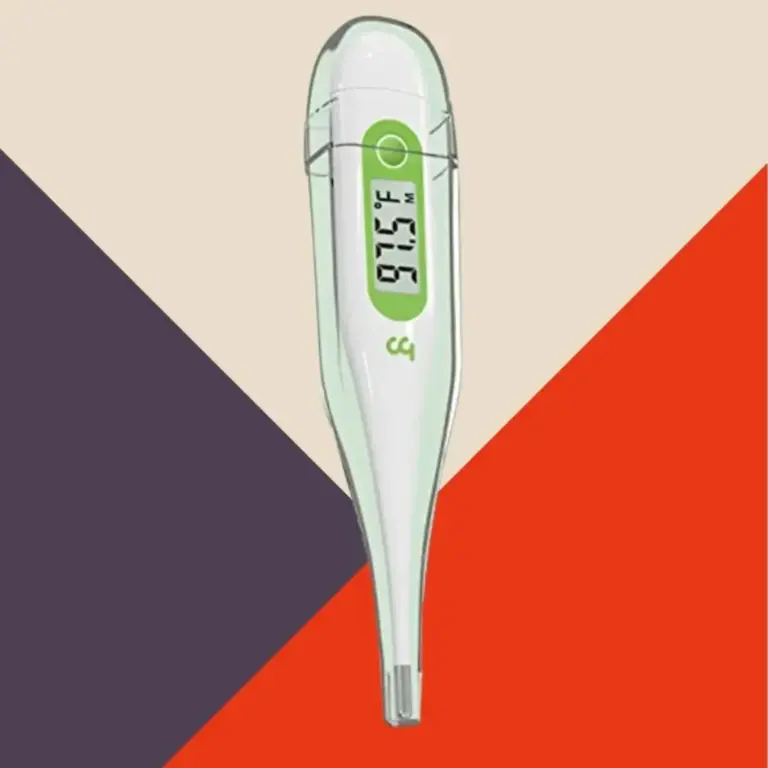
A digital thermometer to monitor increases in temperature
This safe and accurate digital thermometer can help you stay on top of temperature changes in the body to help you know if and when you should seek medical help. The sensory probe provides precise readings and the easy-to-read LCD display screen shows the last temperature reading for easier tracking. It also comes in a plastic case for storing.
Tips For Building A Medical Emergency Kit
Grant also stressed that it’s important for people to familiarize themselves with the difference between what requires an ER visit, urgent care or home care when it comes to injuries. This will help you know what first aid product to use and when, along with what requires you to seek additional medical treatment.
For example, “very small burns within the size of a quarter can be handled at home, as well as things like bug bites and small cuts once bleeding has been managed,” Grant said. Even though this might seem obvious to some, Grant said these can be among the most common non-life threatening visits that urgent care centers see, which might possibly have been managed at home with the correct materials.
According to Hallman, serious circumstances such as chest pain, shortness of breath, significant falls, motor crashes and other potentially high-risk situations warrant a trip to the ER where more care can be provided. Issues like upper-respiratory infections with cold-like symptoms, when free from a notable fever, can be handled at home or in urgent care if the condition persists.
Grant added that having a natural disaster bag is also a very good idea. He said you should stock these packs with things like quick cash, personal medications, duct tape, transistor radios, whistles and a Swiss Army knife.
Read more Argentina’s Milei Escalates Falklands Dispute, Seizing On Trump Comments And Oil Tensions
This story has been updated to reflect Grant’s current professional role.
The original version of this story was published on HuffPost at an earlier date.








Leave a Reply