

LONDON, Sept 25 (Reuters) – Oil prices fell more than 1% on Friday as markets weighed the possibility of a truce between the U.S. and Iran against concerns that increasing attacks against Saudi Arabia by Houthi fighters could disrupt supply from the key Middle Eastern producer.
Read more Mamdani’s Awkward Body Language During Press Conference With Trump Speaks Volumes, Experts Say
Brent was down $1.08 cents, or 1%, at $105.52 a barrel by 1023 GMT, while West Texas Intermediate (WTI) was $1.68, or 1.8% lower, at $92.93 a barrel.
For the week, Brent so far has gained 1.5% and WTI has dropped 7.4%.
U.S. and Iranian negotiators in New York are exploring a phased path out of war that would involve Tehran reopening the Strait of Hormuz and Washington lifting its economic blockade of Iran, sources close to the talks said this week.
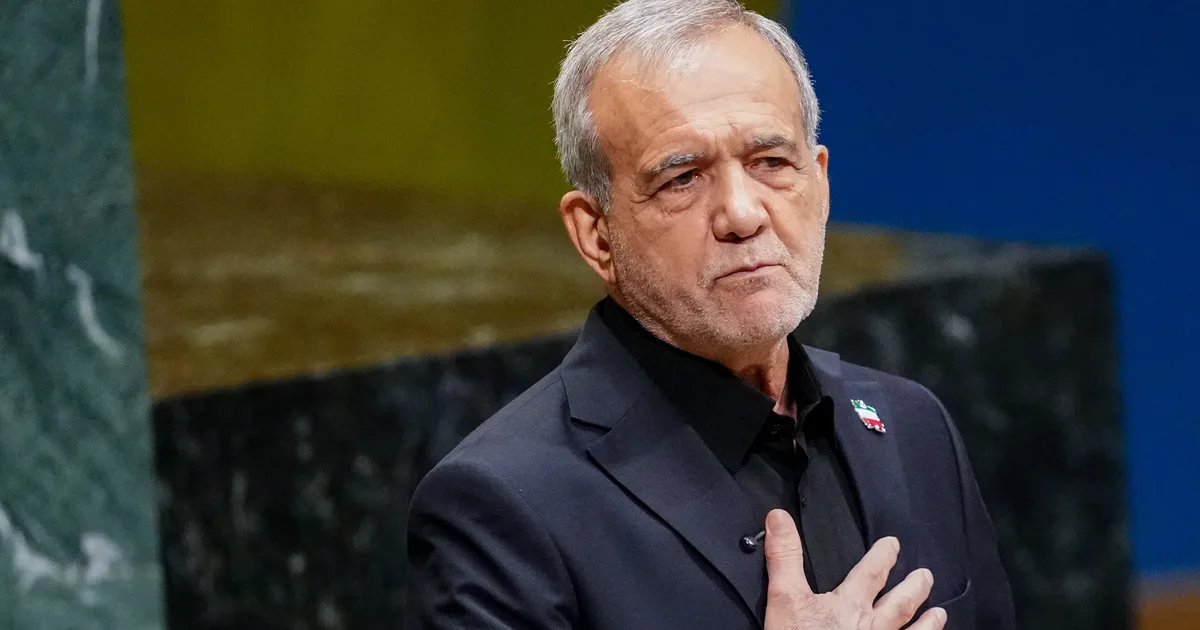
On Thursday, Iranian President Masoud Pezeshkian said it was up to the U.S. to choose when the Iran war will end.
“At this point, neither Iran nor the U.S. has an interest in a more intense, less controllable war,” SEB Research’s Erik Meyersson said in a note. “The next couple of days could represent a watershed moment in the Iran War.”
Since the war began at the end of February, around a fifth of the world’s oil and gas shipments have been curtailed.
“Diplomatic hopes are essentially helping oil prices weather the latest military strikes in the Middle East, with crude trading moderately softer despite the attacks,” said Tim Waterer, chief analyst at KCM Trade.
On Thursday, oil prices touched a one-week high, with both contracts rising as much as 5%.
The spread between Brent and WTI is the widest it has been since May at $12.83 a barrel.
Read more Pope Leo XIV Affirms Need For Media To Cover Public Figures When Asked About Trump Ban
Fears of a U.S. ban on diesel exports that could flood the domestic market are largely responsible for the price bifurcation, given that the two benchmarks usually rise and fall in tandem, despite the U.S. contract usually selling at a discount.
The wider spread signals that markets expect U.S. refiners to process less crude oil if their diesel output gets stuck at home.
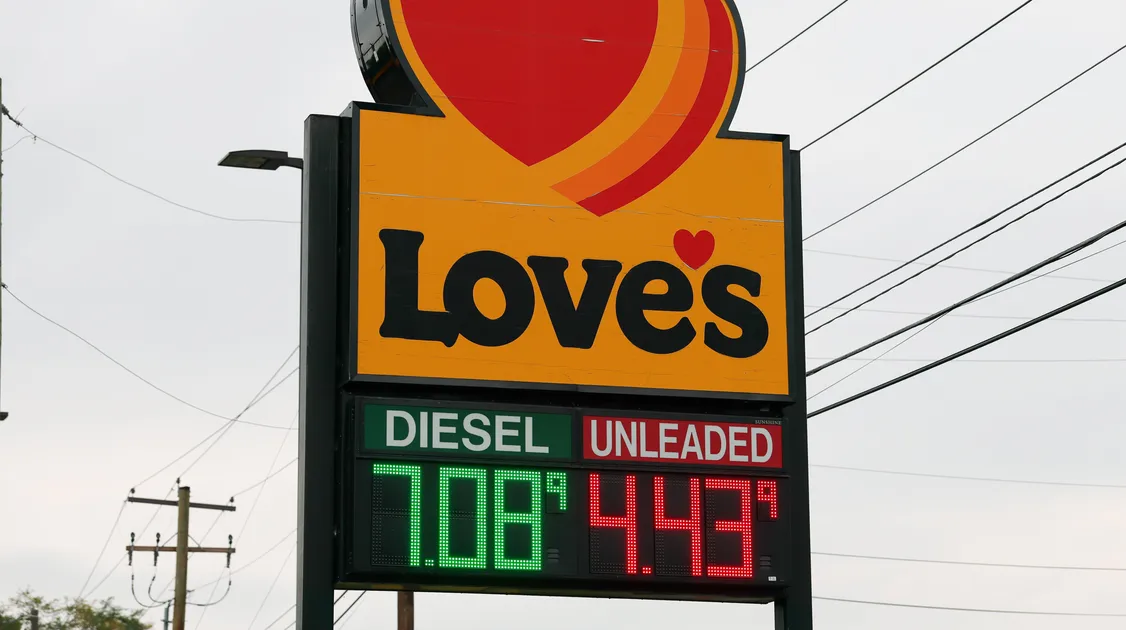
That may bring some immediate relief to high domestic diesel prices, which this week hit a record $6.528 a gallon and stirred a political uproar. But the bigger discount for domestic crude futures could be a double-edged omen: an indicator of higher gasoline prices to come, while in the longer term diesel prices could also begin rising again.
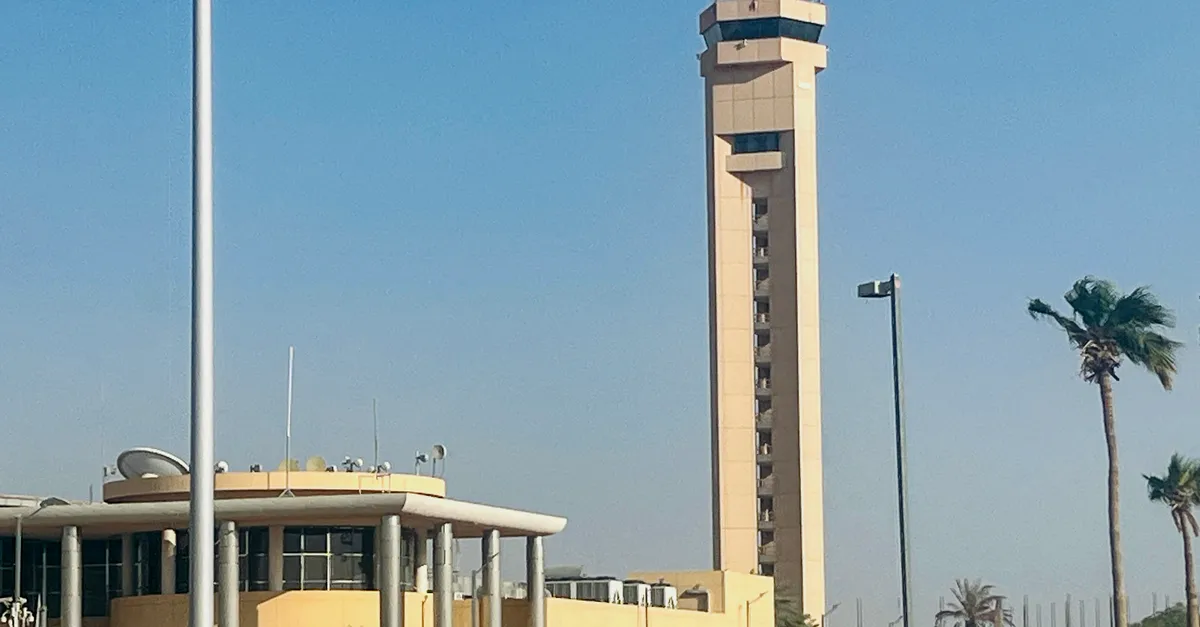
Saudi Arabia intercepted six ballistic missiles fired by Yemen’s Iran-backed Houthis, thwarting attacks on the southern province of Taif and the Yanbu area on the Red Sea, the Saudi-led coalition in Yemen said.
Saudi Arabia is building up crude pumping volumes through its East-West Pipeline that runs to its Red Sea export hub of Yanbu, although crude tanker loadings have yet to resume, according to industry sources, satellite imagery and shipping data.
Ship-to-ship transfers in the Gulf of Oman for Middle Eastern oil from inside the Strait of Hormuz have reached their limits after Saudi Arabia diverted exports from the Red Sea, adding to shipments from other producers, trade sources and analysts said.
Crude oil flows out of the Strait of Hormuz reached 33.7 million barrels so far in the week starting September 20, preliminary ship-tracking data from Kpler showed on Friday, putting exports roughly on track with the previous week’s levels.
(Reporting by Stephanie Kelly, Helen Clark and Sethuraman NR; Editing by Emelia Sithole-Matarise and Andrew Cawthorne)
Read more Constitutional Scholar Invokes 2 Infamous Kings In Stark Donald Trump Warning











Leave a Reply