
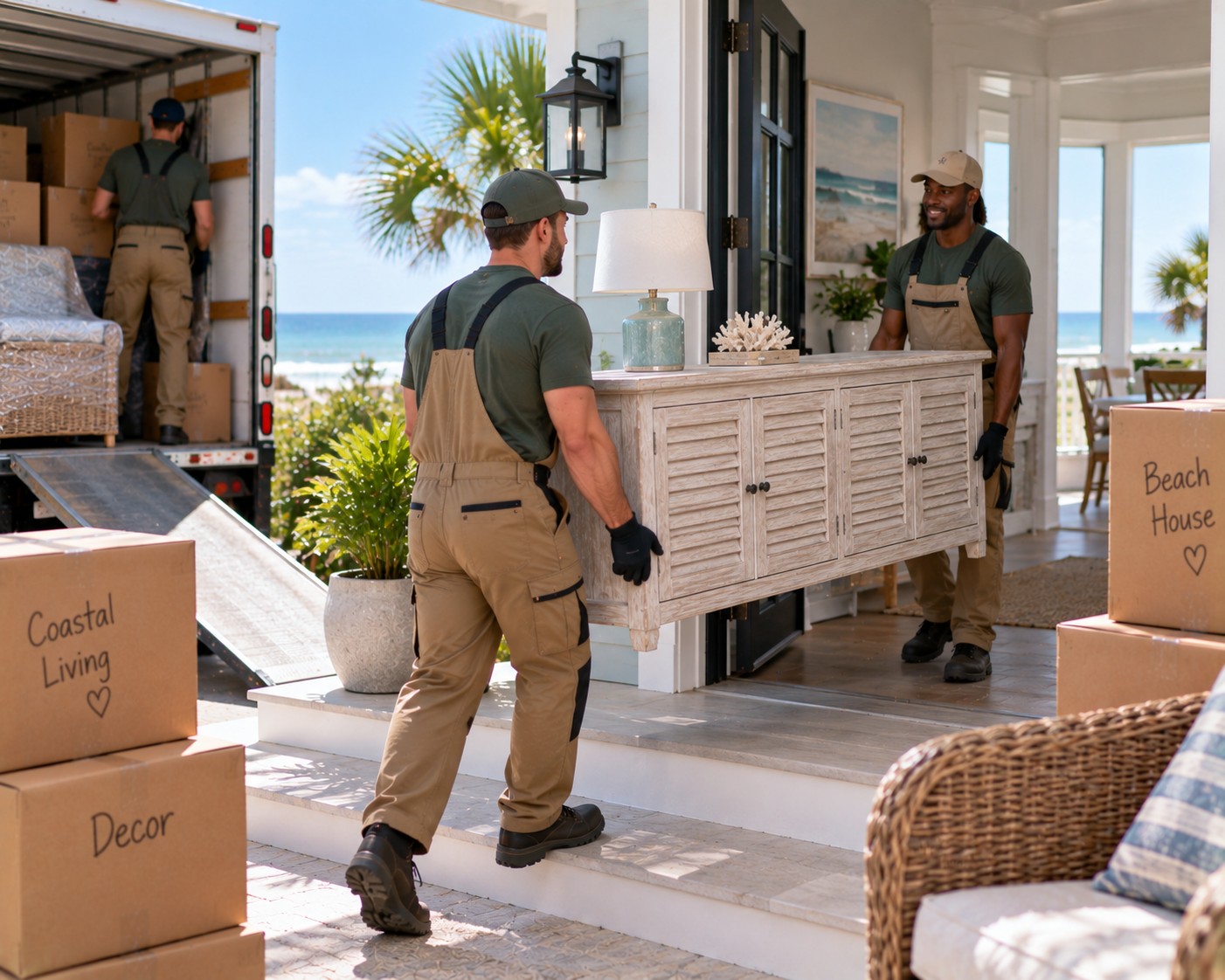
A Wilmington home often reflects its surroundings. Woven textures, weathered wood, oversized outdoor seating, rattan accents, and comfortable upholstered pieces can give a coastal property its unmistakable character. But furniture designed for relaxed coastal living can become surprisingly difficult to relocate when pieces are bulky, delicate, or exposed to years of humidity and salt air.
A successful residential move starts with recognizing which items need special attention. Working with experienced Movers in Wilmington can make it easier to plan transportation around the size, material, condition, and access points of each piece.
Why Coastal Furniture Requires Extra Care
Coastal-style furniture is not always lightweight or simple to handle. Solid teak tables, large sectional sofas, glass-top tables, wooden bed frames, and oversized patio furnishings can require multiple people and careful maneuvering.
Humidity can also affect certain materials. Wood may expand or contract, while wicker, woven fibers, and upholstered surfaces can be vulnerable to moisture and abrasion. Before moving day, inspect furniture for loose joints, weakened legs, scratches, or areas that may already be showing signs of wear.
Photographing valuable pieces before they are packed is another useful step. These images create a visual record of their condition and can help you remember how individual components were arranged.
For homeowners preparing a broader relocation plan, https://milestonerelocation.com/ can be a useful starting point for exploring professional moving assistance throughout North Carolina.
Identify the Difficult Pieces First
Not every item needs the same moving strategy. Create a short list of furniture that presents the biggest challenges:
- Oversized sectional sofas
- Solid-wood dining tables
- Glass or stone-top furniture
- Four-poster beds
- Large outdoor seating sets
- Tall cabinets and display pieces
- Heavy coastal-style dressers
This list helps determine what should be disassembled, what needs protective wrapping, and which pieces require additional space during loading.
Protecting Furniture From Wilmington to the New Home
Preparation should go beyond simply covering everything with moving blankets. Glass surfaces should be separated from frames when practical and protected against impact. Drawers can be removed from large dressers to reduce weight, while doors and hardware should be secured so they cannot swing open during transportation.
Wood furniture benefits from padded protection around corners and edges. Upholstered items should be covered with suitable materials that prevent dirt and friction without trapping unwanted moisture. For woven furniture, extra attention around handles, legs, and decorative sections can prevent snagging.
Professional Movers in Wilmington can also help determine whether a particular piece should remain assembled or be broken down before leaving the house. That decision often depends on staircases, door widths, hallways, and the safest route to the truck.
Planning Around Coastal Access and Weather
Wilmington relocations can involve homes with elevated entrances, narrow residential streets, long driveways, or limited space around the property. A large furniture item may fit comfortably inside the new home but still be difficult to get through the front door.
Weather deserves consideration as well. Rain can create slippery surfaces and expose furniture to moisture if loading areas are not adequately protected. Having a clear path from the home to the moving vehicle helps reduce unnecessary exposure and keeps the process organized.
Think About the New Room Before Loading
One overlooked part of furniture relocation is deciding where everything will go before the truck arrives. Measure doorways and important interior spaces at the destination, particularly for large sofas, beds, cabinets, and dining tables.
If possible, create a simple room plan. Labeling furniture by destination room can prevent unnecessary carrying back and forth and makes unloading considerably more efficient.
Making the Move Easier From the Start
Coastal furniture often represents more than decoration. A weathered dining table may have hosted years of family gatherings, while a favorite outdoor chair can be closely associated with Wilmington’s relaxed lifestyle. Treating these belongings as individual pieces rather than simply part of a household inventory leads to better preparation.
With the right packing materials, access planning, and careful handling, even oversized coastal furnishings can make the transition to a new residence smoothly. Choosing experienced Movers in Wilmington gives homeowners another advantage: the move can be organized around the furniture itself instead of forcing valuable pieces into a one-size-fits-all process.






Leave a Reply