
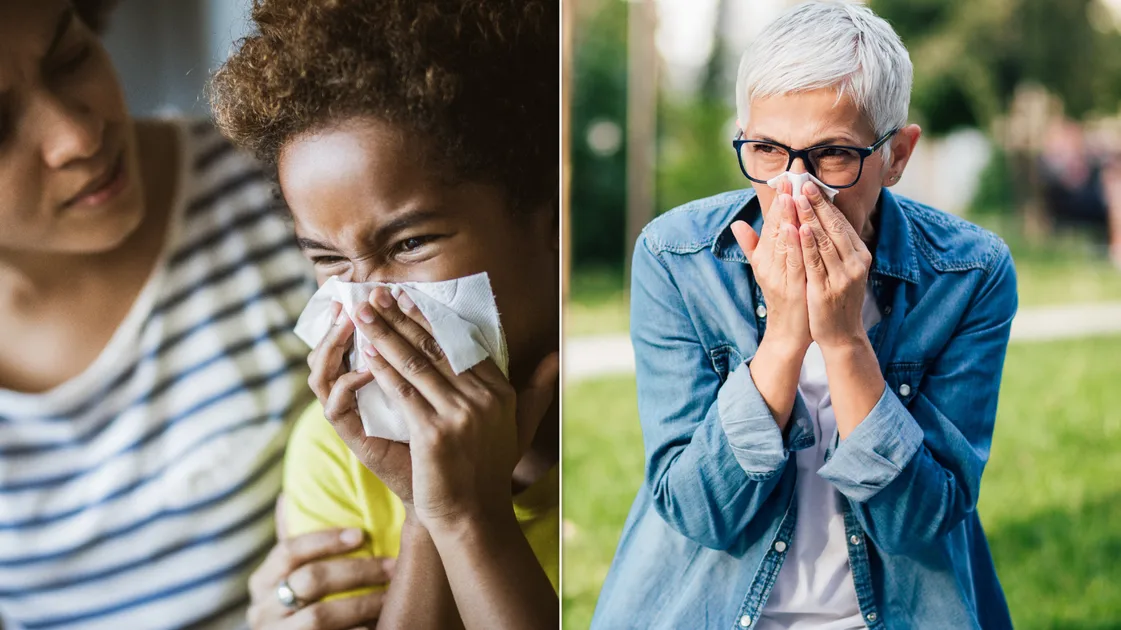
After months of outdoor summer fun, kids are back in school — shared germs and all.
Read more Pete Hegseth’s Rant About Ivy League Universities Undercut By 1 Key Fact
These germs spread quickly and easily beyond school to parents, aunts, uncles, grandparents and babysitters, who then spread those germs on to colleagues, friends and passersby, leading to lots of sniffling and coughing throughout the United States.
“Respiratory viruses are already on the rise,” said Dr. Alexa Mieses Malchuk, a family physician in Pennsylvania. And there are specific illnesses that are showing up more and more in patients this fall.
Doctors share the viruses they’re seeing during this back-to-school season:
1. Common colds caused by viruses like rhinovirus and parainfluenza
“It is very typical for us to see respiratory tract infections when school gets back into session,” said Dr. Richard Martinello, the chief medical officer of Yale Medicine and an infectious diseases specialist. Respiratory tract infections often cause the symptoms folks associate with a cold, such as cough, runny nose, congestion, sore throat, sneezing and fever.
“We’ve been seeing a lot of respiratory-type things — a lot of runny noses, congestion, cough … the common cold type stuff,” said Dr. Moses F. Olorunnisola, a pediatrician at Hackensack Meridian K. Hovnanian Children’s Hospital at Jersey Shore University Hospital.
These infections spread easily, he said, often through droplets created by coughing or sneezing, and can even spread when someone touches a contaminated surface and then touches their face.
Specifically, Olorunnisola said, he’s currently seeing a lot of rhinovirus infection, which is the most common cause of the cold. “Kids coming in with low-grade fevers, congestion, cough and a little bit of a sore throat,” said Olorunnisola.
Martinello added that parainfluenza virus is also widespread and “typically causes a mild self-resolving upper respiratory tract infection.”
“Also, we can see other viruses such as adenovirus,” Martinello said, which is spread by infectious respiratory particles.
In some folks, adenovirus can cause a cold, and in others it can progress to pneumonia. “But sometimes with certain strains of adenovirus, we see it causing more of a GI illness, and so they may have issues with diarrhea,” Martinello said.
2. COVID-19
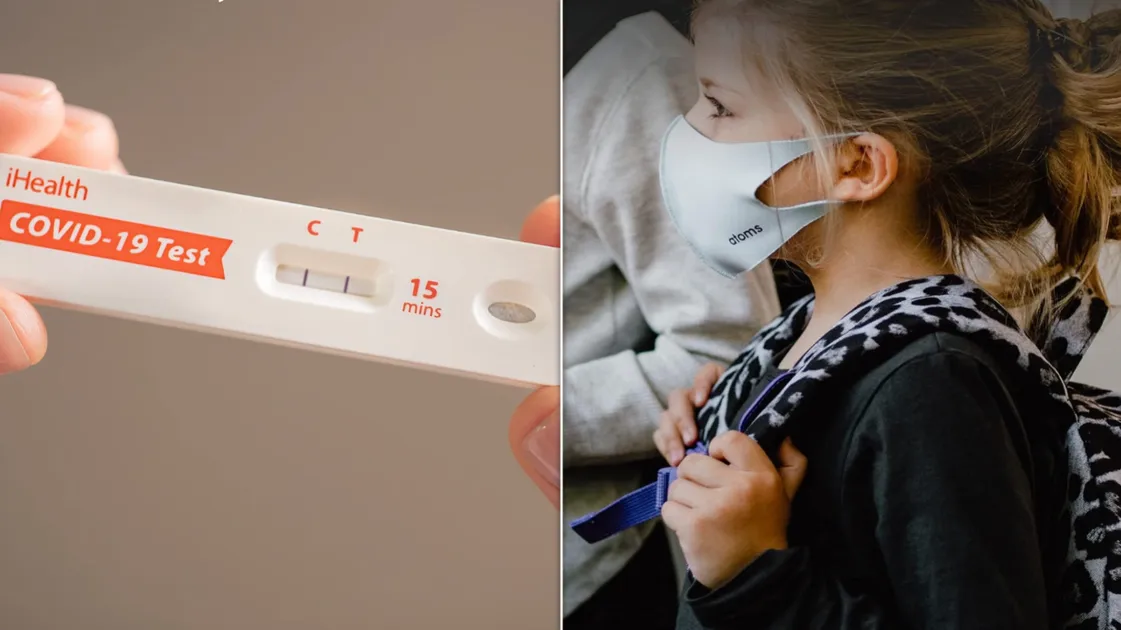
Lots of people are testing positive for COVID-19, and that is no coincidence. “For the last two years now, we have seen a peak in the fall, and we’re definitely starting to see that now,” said Martinello.
“In particular across some of the Southeastern states, from Texas to Georgia, there is a significant amount of COVID that’s being seen,” Martinello noted, “but we’re also seeing that in other parts of the United States.”
According to Dr. Alexandra Yonts, an infectious diseases specialist at Children’s National in Washington, D.C., health department data shows an increase in COVID cases and COVID-related emergency room visits “after a relatively low disease summer.”
Dr. Lauren Hughes, a pediatrician and owner of Bloom Pediatrics in Kansas, added, “The most common thing I’m seeing right now is COVID. This isn’t unexpected, as we typically have a summer wave and/or back-to-school waves.”
COVID-19 symptoms often overlap with those of the common cold but with more high fever and fatigue, said Olorunnisola. Shortness of breath is also seen more in kids and adults with COVID-19.
3. Hand, foot and mouth disease
After COVID-19, Hughes said she is frequently seeing hand, foot and mouth disease.
“Hand, foot and mouth really should be renamed to hand, foot, mouth and butt because it so commonly shows up in the diaper area,” said Hughes.
“Usually kids will have some fussiness and low-grade fever … they may or may not have decreased appetite or refuse to eat,” said Hughes. “Often, the rash shows up a day or two later as small dots on the soles of the feet, palms, mouth [and] diaper area.”
Hughes added that adults can also catch this virus. In grown-ups, hand, foot and mouth may appear like a cold, but can also cause painful blisters on the mouth, hands, feet and other parts of the body.
4. Flu
While flu isn’t widespread across the country, “several large pediatric centers on the West Coast have had a burst of influenza A cases over the past one to two weeks, which is abnormally early,” said Yonts.
It’s not unusual to see a “little bit of flu in October” that then goes away for a while, but the sporadic cases popping up now are early, added Martinello.
Martinello said more people are being tested for the virus now, which is likely why cases are popping up.
Flu often causes fever, body aches, chills, loss of appetite, fatigue and some general upper respiratory symptoms like congestion and cough.
Read more Trump Administration Begins Building Border Wall In Texas’ Big Bend Region
5. Strep throat
Strep throat is also spreading, said Hughes. For school-age kids and older, it generally presents with the classic symptoms of sore throat, red or white spots on the tonsils, fever and painful lymph nodes, said Hughes.
“In kids 3 to 6 years old or so years, it typically does not present as throat pain, but rather as fever and abdominal pain just under their breastbone with nausea and maybe vomiting,” she said.
Strep is more prevalent in kids, but can infect adults, too. It spreads via droplets from coughing or sneezing, infected surfaces and shared food and drinks.
To avoid these illnesses, hand washing, vaccination and masking remain important.
“When it comes to prevention of COVID and other illnesses, the most useful things are the boring, unsexy ones,” said Hughes.
“If you want to avoid illness, wash your hands frequently, avoid touching your face [and] mouth without washing your hands first and mask if you are at much higher risk,” said Hughes.
A lot of these illnesses spread when someone touches an infected surface, like a doorknob or toy, and then touches their mouth or face. It’s good to teach kids to wash their hands after using the bathroom, before and after they eat, and when they get home from school, said Olorunnisola.
Some of these illnesses also spread when a sick person coughs or sneezes and spreads infected droplets. “Masks work,” said Martinello, “and they work both to protect people from these different illnesses, but also they can help to contain the germs that somebody has.”
It’s also important to prioritize the habits that can help you stay well. “Focusing on healthy lifestyle habits like sleep, exercise, nutrition and stress management can boost your immune system better than any supplement,” Mieses Malchuk said.
“The biggest onus, however, is on the sick person because we have to trust them to stay home when they are sick, cover their cough, wash their hands so they don’t pass germs on to high-touch areas,” added Hughes.
Vaccination is the best way to stay well and avoid severe disease.
Beyond daily habits, vaccination remains another key way — and the best way, said Yonts — to stay healthy this fall.
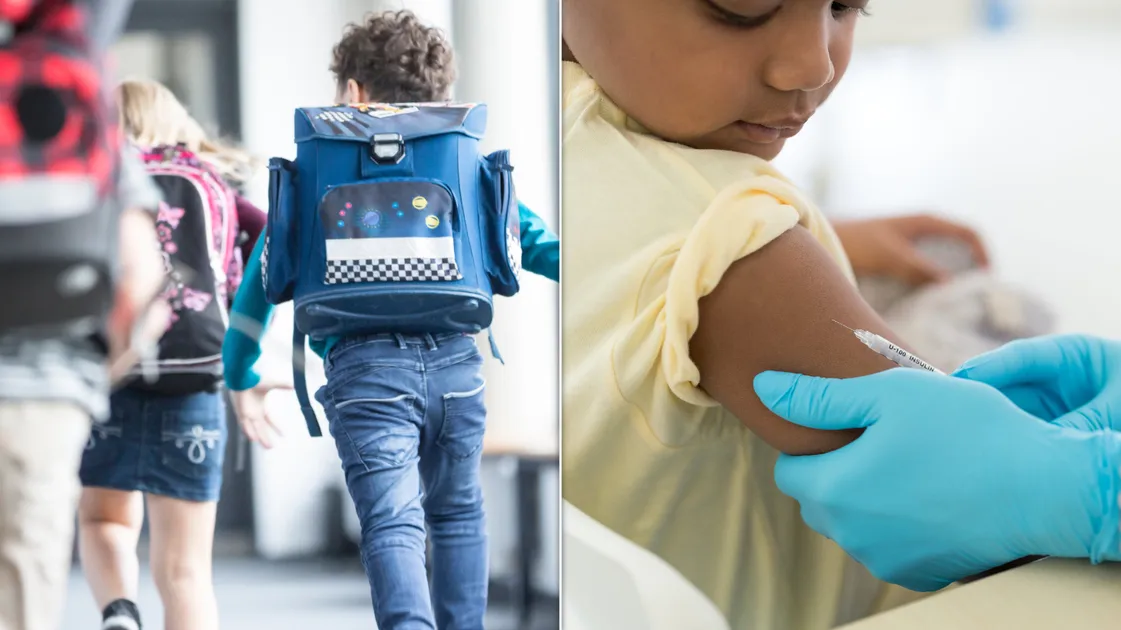
Kids and adults can get their annual flu shot, which will help protect you from severe illness and hospitalization if you do get the flu, said Yonts. The same is true for the updated COVID-19 vaccine, Yonts added.
Both shots are now available at pharmacies throughout the U.S.
The flu shot is recommended for everyone 6 months and older. The COVID-19 shot is recommended for kids 6 months to 23 months and any other child (or parent) who wants it, said Yonts.
The COVID-19 vaccine is also recommended for adults 65 and older, and for adults under 65 with an underlying condition, such as asthma, heart disease, diabetes or obesity. It’s also recommended for pregnant people.
“I cannot emphasize enough how important it is, now more than ever, especially with measles outbreaks in Virginia and Pennsylvania, that families keep their kids up to date with recommended childhood vaccines per the [American Academy of Pediatrics] schedule,” said Yonts.
If you get sick this fall, stay home until you’re better — and keep kids home from school.
If you or a loved one comes down with an illness this fall, there are a few things you should keep in mind: If you have a fever, cough, diarrhea or vomiting, stay home from work and school, said Yonts. The same goes for your child.
Olorunnisola added, “A lot of these respiratory illnesses, they tend to be mild and can be safely managed at home — just making sure your kids are resting, drinking lots of fluids and managing those fevers.”
If you notice your child is dehydrated, coughing a lot or having trouble breathing, it’s worth seeking medical attention, Olorunnisola said. If you notice these symptoms in yourself or another adult, you should also let a medical professional know.
“If symptoms persist more than 48 hours, reach out to your doctor for evaluation,” added Yonts.
Getting tested can also be helpful. If you test positive for flu or COVID, there are specific treatments available that can keep folks out of the hospital and decrease mortality, said Martinello.
“And as tempting as it is, do not rush back to school, work or exercise while recovering from illness … it can both continue to spread the illness and can prolong your own symptoms — or in some cases (like COVID) cause new ones, like headaches, fatigue [and] nausea,” noted Yonts.
“I would like to remind parents, especially, that the goal is not really to prevent your child from ever getting sick. It’s unrealistic,” Olorunnisola said, “but the goal, really, is to prevent or reduce preventable illnesses.”
Read more Trump Says His Planned Arch Would Become A ‘Military Complex’ Able To Host Drones And Snipers
Vaccination, rest, hand washing and masking are all great ways to stay well.
The original version of this story was published on HuffPost at an earlier date.











Leave a Reply