

Experts are here to remind you that COVID-19 is still very much a problem ― and it may be the reason you have a runny nose right now.
Read more Judge Lifts Trump’s White House Media Ban, Flock Cameras Come Under Fire In Congress: Live Updates
According to Dr. Neil Maniar, a professor of public health at Northeastern University in Boston, we’re currently in a late-summer/early fall COVID surge. And this is “lining up with what we’ve seen over the last several years,” he said.
“There seems to be what we often refer to as ‘seasonality’ now, or seasonal trends, with this illness,” he explained. Cases tend to increase around August and September and again in the winter after the holidays.
There are certain parts of the country where COVID is circulating more heavily and some new medical interventions that can help you stay healthy. Here’s what to know:
COVID cases are currently “heating up,” experts say.
“Right now we’re seeing COVID heating up a little bit more,” said Dr. Peter Chin-Hong, a professor of medicine at the University of California at San Francisco. “It’s coming a little bit later this year than in previous summers.”
In 2024 and 2025, we saw a peculiar seasonal pattern with COVID, he noted. There was more COVID in the summer than in the winter, but there were seasonal peaks during both times of year, Chin-Hong said.
While we can’t predict what COVID will look like this winter, we are currently seeing the same trajectory of case increases in the late summer/early fall.
“We’re seeing the wastewater levels increase. The number of people getting symptomatic COVID is increasing,” Chin-Hong said.
Wastewater levels first started rising in the West, and then started rising in the South, in states such as Texas. “A school even had to close in Texas because of COVID,” Chin-Hong said.
Right now, cases are highest in the South, along the Atlantic seaboard and the West, he added. This doesn’t mean that COVID is nonexistent outside of these areas, though.
“COVID-19 activity is increasing in many states, so people should pay attention to what’s happening in their own community,” Dr. Asefeh Faraz Covelli, an associate professor in the family nurse practitioner program at the George Washington University School of Nursing in Washington, D.C., told HuffPost via email.
“I would be surprised if the rest of the country doesn’t catch up. It would be weird … COVID doesn’t act like that, where it’s just geographically restricted,” Chin-Hong added. People move back and forth throughout the country all the time, he said, and their germs travel along with them.
That said, cases aren’t as high right now as they were in previous years.
“COVID-19 is still circulating throughout the country, and levels are increasing in many areas,” said Faraz Covelli, but “we’re not seeing the same level of severe illness that we saw earlier in the pandemic, and COVID-19 hospitalizations remain relatively low.”
Read more Judge Lifts Trump’s White House Media Ban, Flock Cameras Come Under Fire In Congress: Live Updates
This may be because there isn’t a new “blockbuster variant” that’s infecting people, Chin-Hong said.
In summer 2024 and summer 2025, there were new COVID variants that swiftly infected people. “But in 2026, the predominant variant that’s circulating is XFG, which has been around for a while, so people might have gotten it before. Even if you’re exposed to it again, it’s not having such a profound effect.”
This is true for younger adults, but not older adults, he specified. Older adults’ immune systems are more forgetful, so they are more susceptible to viruses. “That’s why they need a vaccine more often than people who are in the general population,” he said. It’s recommended that adults 65 and older get the COVID-19 shot twice a year as opposed to once.
Cough, congestion, fatigue and more continue to be the most common symptoms.
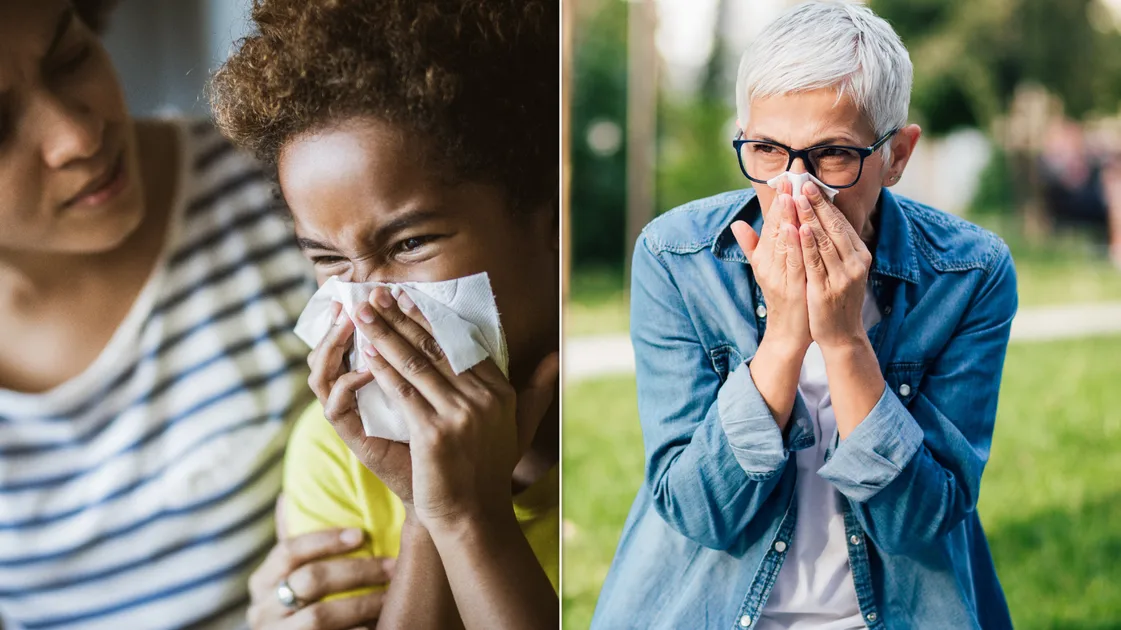
“The symptoms are similar to what we’ve seen with COVID-19 in recent years,” Faraz Covelli said. “They can include cough, sore throat, congestion or runny nose, fever, fatigue, headache, and muscle or body aches.”
Gastrointestinal issues are also more common with this strain of COVID, according to Maniar. Some folks may experience nausea and diarrhea along with the respiratory issues.
“Because these symptoms can overlap with flu and other respiratory illnesses, it can be difficult to know which infection you have based on symptoms alone,” Faraz Covelli added.
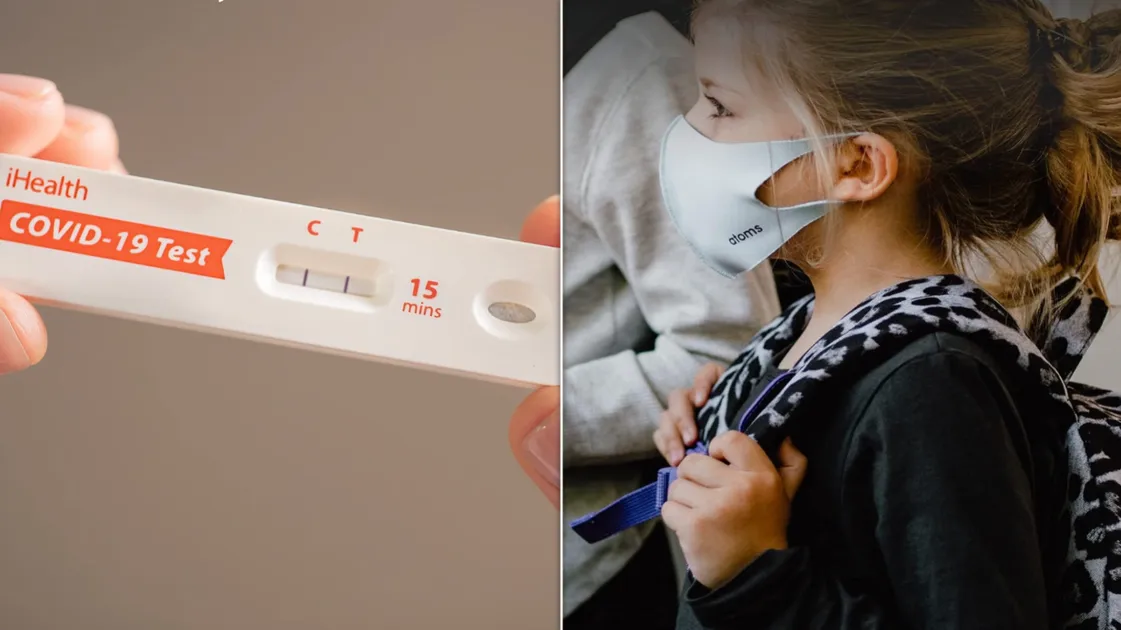
If you do have any symptoms that align with COVID, take a COVID test. If you test positive, stay home, or if you really have to go out, wear a tight-fitting mask, Maniar said.
If you do have COVID ― or someone in your household does ― let your doctor know. There are treatments available to help you get better faster. There’s a new FDA-approved medication that helps prevent COVID-19 infections after exposure.
“People can reduce their risk by staying up to date with COVID-19 vaccination, especially if they are at higher risk for severe illness,” said Faraz Covelli. This includes older adults 65 and up, pregnant people, immunocompromised people and children under 2.
“Getting the vaccine is also an important way to protect yourself potentially from complications of long COVID,” Maniar said.
“Wearing a well-fitting mask can also provide additional protection, particularly in crowded indoor spaces or when COVID-19 levels are high in your community,” said Faraz Covelli. “And if you’re sick, staying home and avoiding close contact with others can help protect the people around you.”
Read more ‘Best MAGA Event’ Led By Kid Rock Is Canceled Because Of 1 Trump Faction












Leave a Reply