
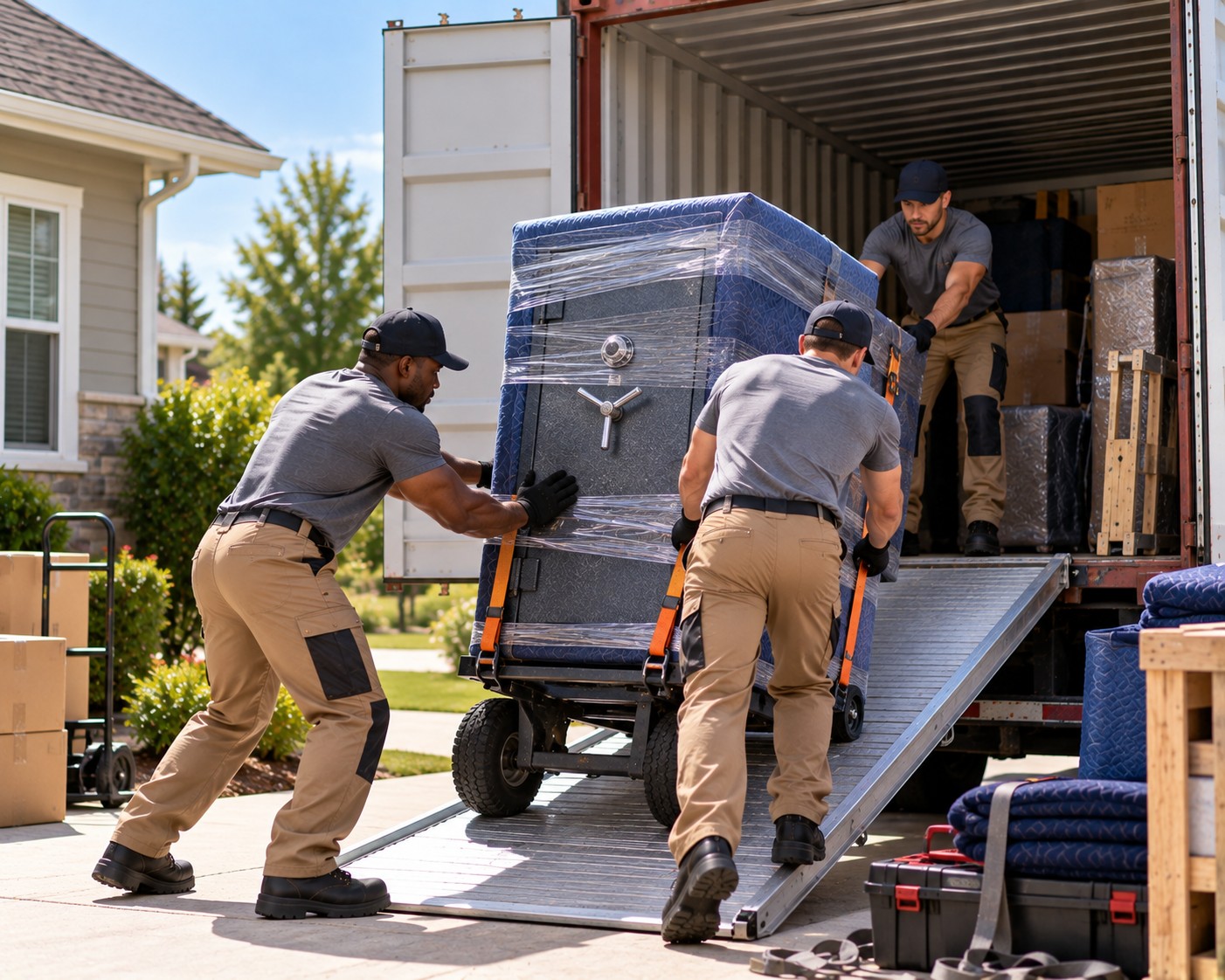
A moving container can turn a complicated relocation into a more manageable process, but the way it is loaded matters just as much as what goes inside. Heavy furniture, appliances, equipment, and densely packed boxes can quickly create an unstable arrangement if they are placed without a plan. The goal is not simply to fill every available inch. It is to create a compact, balanced load that remains organized throughout transportation.
Price Movers provides moving solutions for different relocation situations, including portable containers designed for household and specialized cargo. Before loading begins, reviewing the available options at https://pricemovers.com/ can help you think through the scale of the move and the type of assistance required.
Start With the Heaviest Pieces
The foundation of an efficient container load is established at floor level. Heavy objects should generally be positioned toward the bottom rather than placed on top of lighter possessions.
Build a Stable Base
Large appliances, solid furniture, packed books, and other dense items can form the lower layer. Position them so their weight is distributed rather than concentrated in one small area.
Avoid creating a single extremely heavy corner while leaving the opposite side nearly empty. A balanced arrangement makes better use of the container and reduces the risk of unnecessary shifting.
Think Beyond Individual Items
A heavy cabinet may seem like the obvious first item to load, but its dimensions also matter. Consider how surrounding furniture will fit around it. The best loading sequence combines weight, shape, and accessibility instead of treating every object separately.
Use Vertical Space Carefully
Once the bottom layer is established, look upward. Containers have substantial vertical capacity, and leaving large empty spaces above heavy furniture can result in wasted room.
Smaller boxes can sometimes fit into spaces around sturdy furniture. However, heavier cartons should not be stacked on delicate surfaces simply because there is room available.
A useful approach is to create progressively lighter layers. Dense items stay low, medium-weight belongings occupy the middle, and lightweight boxes or soft goods can fill appropriate upper spaces.
Protect Heavy Furniture From Contact Damage
Weight management does not eliminate the possibility of scratches or dents. Heavy objects can damage one another when their surfaces come into direct contact.
Add Padding Between Hard Surfaces
Use suitable moving blankets, pads, cardboard, or other protective materials around furniture edges and vulnerable finishes. Pay particular attention to corners and protruding hardware.
If furniture has removable shelves, doors, or drawers, prepare those components separately when appropriate. This can reduce movement and make large pieces easier to position.

Avoid Creating Pressure Points
A heavy object resting against a fragile item can cause damage even when nothing moves dramatically. Keep delicate belongings away from areas where concentrated weight could be transferred onto them.
Create a Loading Sequence Before the Container Arrives
Efficiency improves when everyone knows what goes in first. Instead of deciding where each item belongs while standing inside the container, make a rough loading map beforehand.
Place the largest and heaviest possessions on the list first. Then identify medium-sized furniture, boxes, fragile items, and belongings that may need to be accessed before unloading.
Price Movers describes its moving containers as suitable for household items, electronics, fragile goods, large appliances, personal effects, and specialized items. This range makes advance organization particularly useful when one container needs to accommodate several categories of belongings.
Leave a Practical Path Through the Load
One common mistake is filling the container so tightly that the final pieces become difficult to position. A little planning around access can save considerable effort later.
If certain possessions must be removed first at the destination, keep them toward the front or in another accessible position. Items that will remain packed for the entire journey can occupy deeper areas.
For larger or unusually heavy cargo, Price Movers also provides specialized moving-container solutions. Details can be reviewed at https://pricemovers.com/services/moving-of-large-cargo/moving-container.
Secure the Arrangement as You Go
Do not wait until the container is completely full to think about stability. Check the load periodically and fill suitable gaps with appropriately packed belongings or protective materials.
The objective is a firm arrangement without forcing objects into spaces where they do not belong. A well-planned load should feel organized rather than compressed.
Make Unloading Easier Before Closing the Container
Efficient loading is also preparation for the next stage. Keep a basic inventory and note where important items were placed. Label boxes consistently and avoid burying frequently needed possessions beneath the heaviest furniture.
Before the container is closed, inspect the arrangement from front to back. Look for leaning objects, unsupported pieces, exposed fragile surfaces, and unnecessary empty pockets. A few final adjustments can improve both space utilization and organization.
When heavy items are loaded with attention to weight distribution, protection, vertical space, and unloading priorities, a moving container becomes far more efficient. The strongest strategy is not simply to fit more belongings inside, but to make every part of the available space work together.








Leave a Reply