
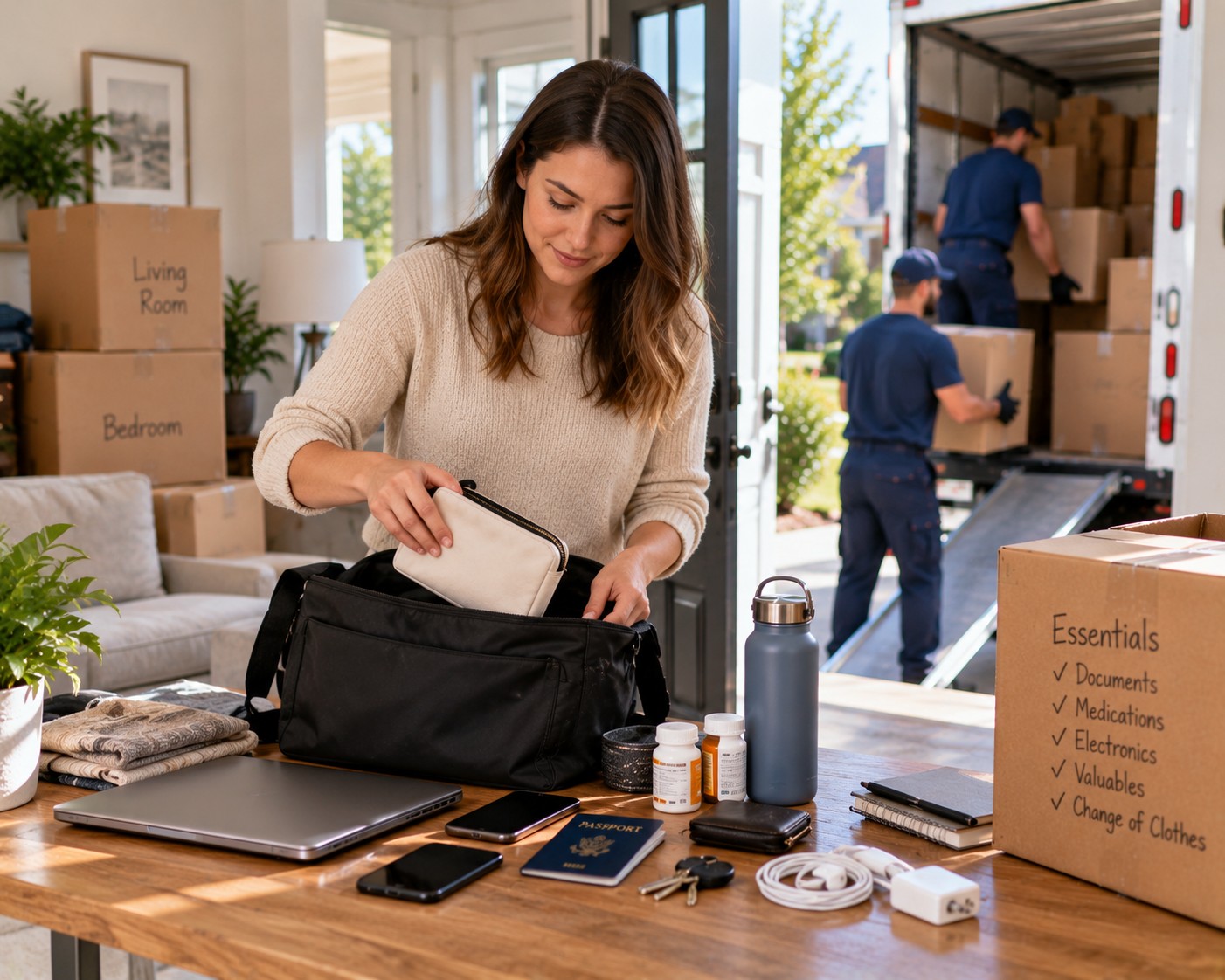
When a household is being loaded into a moving truck, it can feel natural to send almost everything along with it. Yet some possessions should never disappear beneath a stack of boxes. Moving day involves waiting, traveling, accessing the new property, and dealing with unexpected situations, so having certain essentials close at hand can make the entire transition considerably easier.
For Las Vegas residents preparing for a household relocation, Nevada Movers provides professional moving assistance tailored to residential needs. You can explore the company and its services at https://nevadamoverslv.com/.
Build Your Personal Moving-Day Kit First
Before movers begin carrying furniture outside, create one clearly defined group of items that will stay with you. A small suitcase, backpack, or dedicated container works well.
For residential moves, https://nevadamoverslv.com/services/residential-moving/ provides information about moving assistance, while your personal kit should contain the belongings you cannot afford to lose access to during the transition.
Start with the basics:
- Wallet, identification, and keys
- Mobile phone and charger
- Essential medications
- Important documents
- Toiletries
- A change of clothing
- Snacks and drinking water
- Any items needed during the first night
Keep this collection somewhere completely separate from the household boxes. A bedroom corner, personal vehicle, or another designated location can help prevent an important bag from being loaded accidentally.
Protect Your Important Paperwork
Moving frequently involves documents that are difficult to replace. Lease agreements, closing paperwork, identification, insurance records, financial documents, and other essential papers should remain under your direct supervision.
Use a folder or document organizer rather than placing loose papers inside a box. If you have digital copies, make sure they are available on a device you are carrying with you.
Keep Access Information Handy
New homes may require keys, entry codes, parking information, building instructions, or contact details for property managers. Keep these details together rather than assuming you will remember where they are.
A few minutes spent organizing paperwork before loading begins can prevent a frustrating search after arriving at the destination.
Don’t Put Your Most Important Valuables in the General Load
Some possessions have value far beyond their price tag. Jewelry, cash, small collectibles, family photographs, sentimental keepsakes, and irreplaceable heirlooms may be better transported personally.
The decision depends on the individual item and your comfort level, but the basic principle is simple: if losing access to something would cause significant stress, consider keeping it with you.
This is especially relevant for compact belongings. A small jewelry case or family keepsake can easily disappear among dozens of similarly sized moving boxes.
Keep Essential Electronics Close
Your phone is likely to be one of the most useful items you own on moving day. You may need it for directions, calls, access instructions, payment information, or communication with the moving crew.
Laptops and other essential electronics should also remain accessible, particularly if you need to work during the transition. Pack chargers and necessary accessories in the same personal bag.
A portable battery can be useful if outlets are unavailable while the home is being cleared or the new property is still being organized.
Prepare for the First Night
There is no guarantee that you will unpack everything immediately. Even a well-organized move can leave you surrounded by unopened cartons at the end of the day.
Prepare a small overnight kit containing the things you would normally reach for before going to bed. Depending on your circumstances, include:
- Sleepwear and a change of clothes
- Toothbrush and toiletries
- Towels
- Basic cleaning supplies
- Snacks
- Water
- Necessary personal items
If you are moving with children, add their favorite comfort objects and anything needed for their evening routine.
Don’t Forget Your Pets
Pets can find moving day particularly confusing. Doors may remain open, furniture may move constantly, and familiar surroundings disappear within hours.
Keep food, water, medications, leashes, carriers, and familiar comfort items with you. Having these supplies immediately available makes it easier to maintain a basic routine while the household is being transferred.
It is also wise to keep pets away from active loading areas whenever possible. A quiet, secure space can reduce the risk of accidental escapes.
Make One Simple Rule Before the Truck Arrives
Anything you absolutely need during the journey or immediately after arrival should have a designated place outside the moving load. Making this decision before moving day prevents rushed sorting when the crew is already working.
Professional movers can handle the bulk of the household, but you should retain personal control over the relatively small collection of documents, valuables, electronics, medications, and first-night necessities that matter most.
Once those items are separated, the rest of the home becomes much easier to prepare. Instead of wondering where an important possession went, you can leave the loading process to the moving crew and focus on getting yourself, your family, and your essentials safely to the new home.





Leave a Reply