
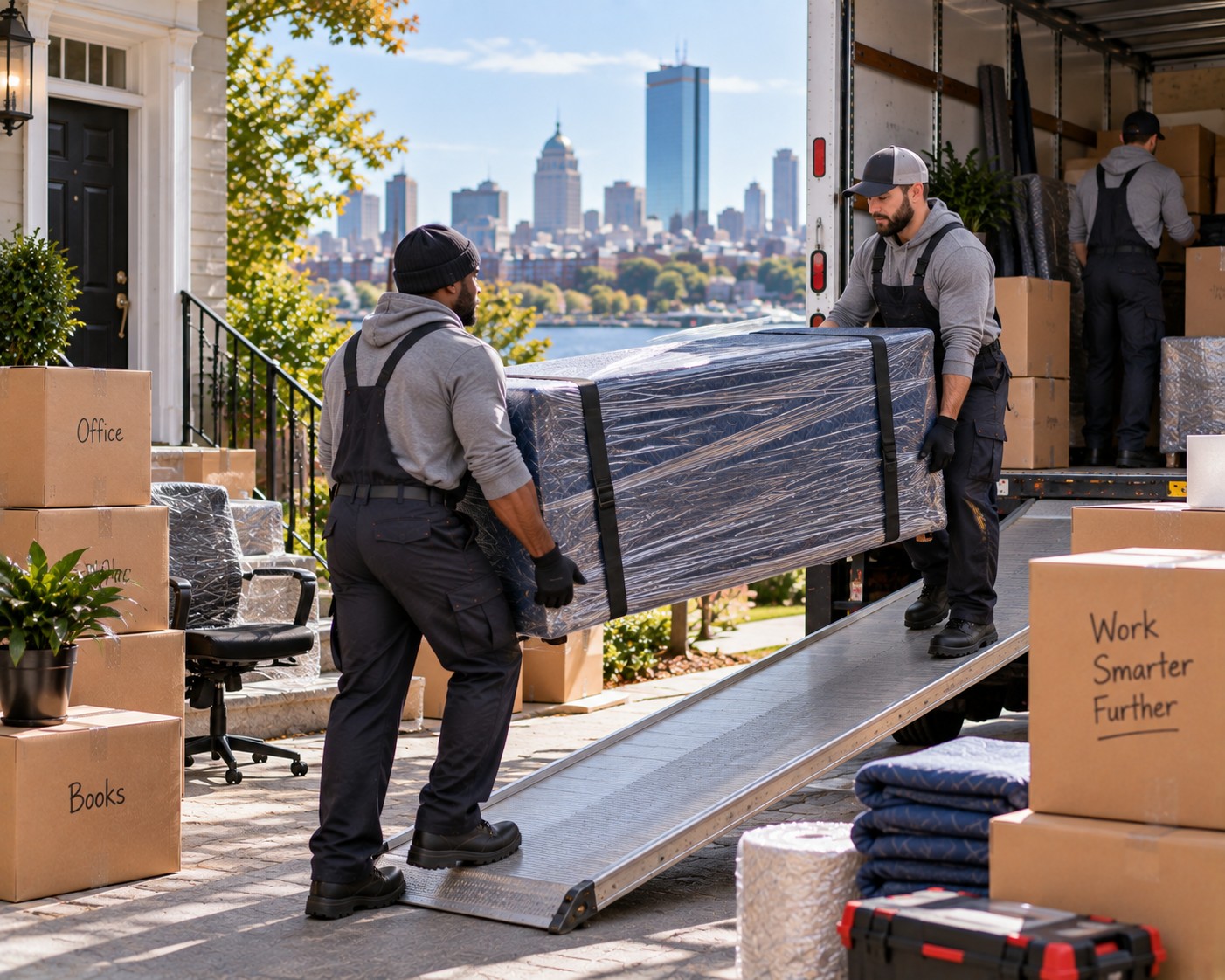
A moving truck may look spacious from the outside, but every square foot inside has a purpose. When household belongings are transported from Boston across several states, the way those items are arranged can influence stability, protection, unloading, and even how smoothly the entire relocation progresses. Loading is therefore much more than putting boxes into an empty vehicle.
For homeowners preparing for a major relocation, moving help boston can provide an extra layer of organization during this stage. A thoughtful loading plan considers the weight, shape, fragility, and eventual destination of individual belongings instead of treating every box as interchangeable cargo.
Why Loading Order Matters
Weight Should Establish the Foundation
Heavy furniture and dense boxes generally need to form a stable base. Appliances, solid furniture pieces, and carefully packed books should not be positioned randomly among lightweight household goods.
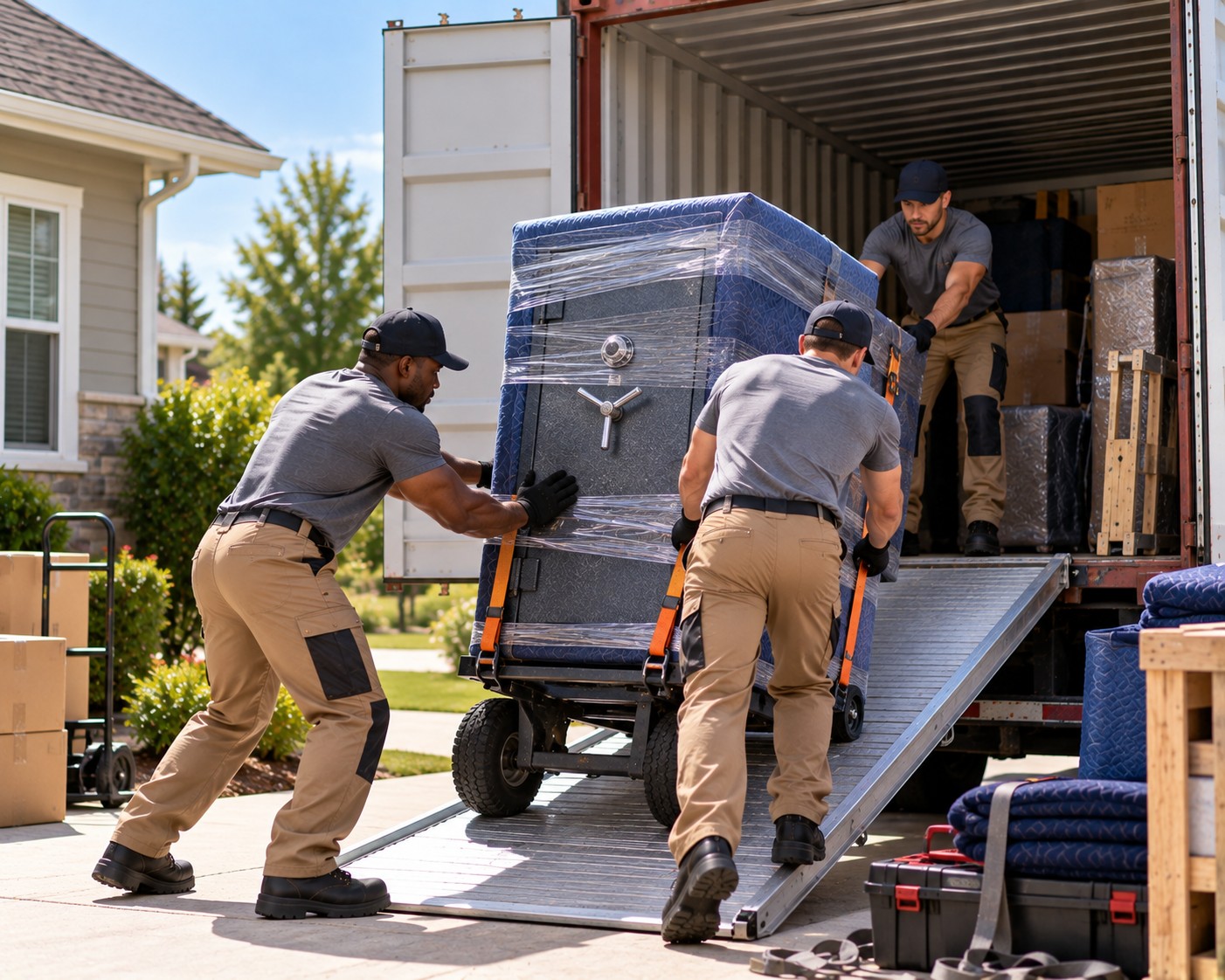
Placing substantial items strategically helps distribute weight throughout the vehicle and reduces the likelihood of shifting during transportation. Lighter possessions can then occupy appropriate spaces above or around this foundation.
This approach becomes particularly important on a long route, where belongings may experience hours of movement, braking, turning, and changes in road conditions.
Shape Influences Available Space
Not every item fits neatly into a rectangular box. Sofas, tables, bed frames, bicycles, mirrors, and other irregular objects can create unused pockets if they are loaded without a plan.
Experienced movers can identify these spaces and use them efficiently without turning them into pressure points. Smaller, properly protected items may fit into appropriate gaps, while fragile possessions should never be squeezed simply to maximize capacity.
Building Protection Into the Load
Long Distance Moving Services require more than efficient use of space because belongings may remain inside the vehicle for an extended period.
Separate Fragile Items From Pressure
Glassware, artwork, electronics, mirrors, and delicate decorations require careful positioning. They should be protected from direct impact and excessive pressure from heavier objects.
Protective materials can reduce contact between furniture surfaces and other cargo. Proper wrapping also helps minimize scratches and abrasion while items are being loaded, transported, and eventually removed.
A useful loading plan essentially creates layers of protection rather than relying on a single wrapping material to prevent every type of damage.
Loading for the Destination, Not Just the Departure
One easily overlooked consideration is how the truck will eventually be unloaded. A vehicle can be perfectly packed from a space-efficiency perspective and still create unnecessary work at the destination if everything needed first is buried behind other belongings.

Think About Room Placement Before Loading
Items intended for the bedroom can be grouped logically, while kitchen boxes, office equipment, and living-room furniture can be positioned with the unloading sequence in mind.
This does not mean creating completely separate sections for every room. Instead, movers can maintain enough organization to make the final process more predictable.
That distinction can save considerable time after a long journey. Nobody wants to spend the first evening in a new home searching through dozens of containers for bedding or basic kitchen supplies.
The Role of Inventory During Loading
A detailed inventory complements a carefully planned load. Boxes can be labeled according to their contents and destination room, while larger furniture pieces can be recorded separately.
For households using moving help boston, having an organized inventory also makes communication easier. If a particular item needs special handling, its condition and location can be identified before transportation begins.
Inventory records are especially useful when the relocation involves a large household with many similarly sized boxes. Instead of relying on memory, the couple or family can work from a consistent reference.
Efficient Space Is Not the Same as Overpacking
There is a temptation to treat every unused space inside a moving truck as an opportunity to add another item. That approach can backfire.
Long Distance Moving Services depend on balancing capacity with stability. Cargo needs appropriate support and protection, and certain items require clearance or specific positioning. Filling every gap indiscriminately can place pressure on boxes or make unloading more complicated.
A smarter strategy uses available space deliberately. The objective is not simply to fit the maximum possible number of possessions but to create a secure arrangement that remains manageable throughout the journey.
A Better Arrival Starts Before the Truck Leaves
The quality of a long-distance relocation is influenced long before the vehicle reaches its destination. A logical loading sequence protects belongings, improves space utilization, supports easier unloading, and gives the entire move a clearer structure.
For Boston residents heading to another state, understanding the strategy behind professional loading can also make preparation more effective. When every major item has a planned position and purpose, the move becomes less about fitting possessions into a truck and more about transporting an entire household with control and precision.











Leave a Reply