
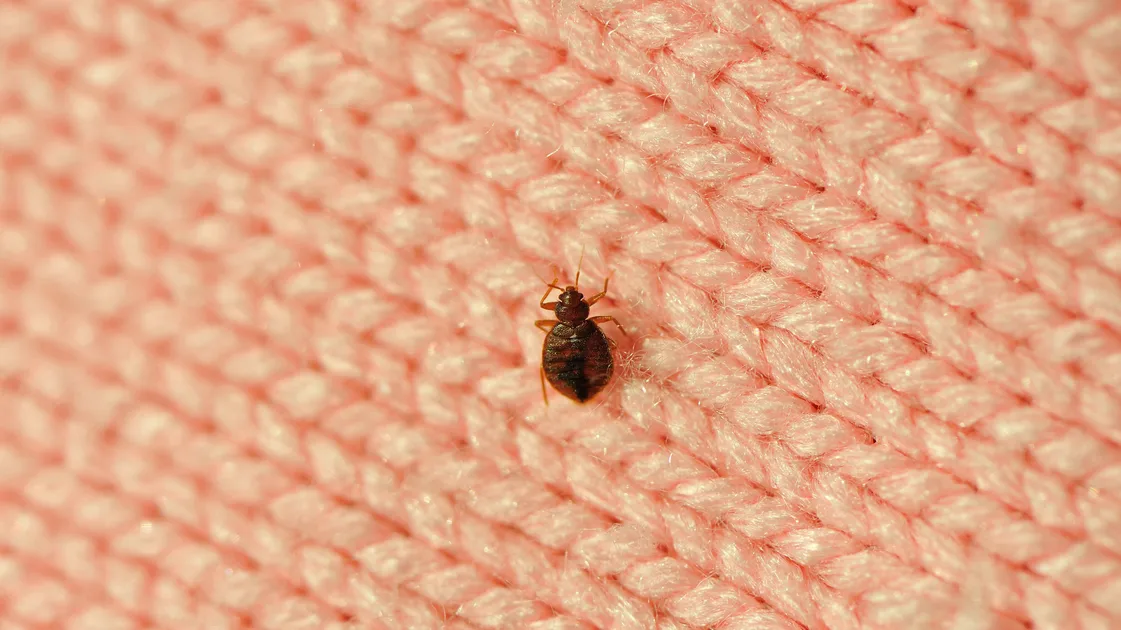
If you’ve been traveling this summer, pay attention. The peak travel season can also be a particularly active period for bedbug encounters.
Read more 9 Products I Actually Used To Fade Dark Spots And Even Out My Skin Tone
“Bedbugs don’t have a traditional ‘season’ in the same way that pests like mosquitoes do. Unfortunately, they can be a problem year-round anywhere people live, sleep or travel,” said Shannon Sked, an entomologist and the national technical director at Orkin. “That said, summer can often bring an increased risk as more people are on the move.”
That’s why many consider the peak summer travel season to be a trigger for peak bedbug activity as well. Pest control professionals often point to the late summer and early fall period as peak bedbug season.
“Vacations, hotel stays, cruises and other forms of travel give bedbugs more opportunities to hitch a ride from one place to another,” Sked said. “But other times when travel increases, like holiday travel, is another time when incidents of bedbugs can increase.”
Zach DeVries, an assistant professor of urban entomology at the University of Kentucky, agreed that there may be some correlation between summer conditions and bedbug activity, but the research is limited.
“We also see upticks in reporting during times of travel ― spring and summer vacations, holiday travel, etc. ― but it’s not clear if these upticks are real or just associated with more attention from people and the general media,” DeVries said. “We regularly provide travel advice to folks during these times, making them more likely to be aware of bedbugs at these times.”
He added that there is anecdotal evidence that bedbugs exhibit reduced growth and reproduction in northern climates at this time due to low humidity ― suggesting a potential link between warm, humid climates and infestations. But there isn’t yet much data to support this theory.
“Since bedbugs are found almost exclusively indoors and we have climate-controlled environments, outdoor weather doesn’t really affect their activity,” Sked said. “Rather, the bigger factor behind increased bedbug concerns during the summer is human activity. Bedbugs live primarily indoors and close to their hosts, so they aren’t exposed to outdoor temperatures in the same way many seasonal pests are.”
So the notion of increased bedbug reporting in late summer is probably more about travel surges than weather.
“Bedbugs grow and reproduce faster when it’s warmer, at least up to a certain temperature, but hot outdoor weather itself is often offset by indoor AC, where such effects are minimized,” DeVries said. “That said, depending on where you live and if you use air conditioning, the indoor environment could certainly lead to more bedbugs as it gets hotter.”
Like many humans, bedbugs are remarkably resilient travelers.
“Bedbugs are expert hitchhikers and can travel in luggage, backpacks, bedding, furniture, you name it,” said Jim Fredericks, an entomologist and senior vice president of public affairs at the National Pest Management Association. “Once introduced into a space, they’ll live indoors, where temperatures remain relatively stable and people provide a reliable food source.”
Travel creates more chances for bedbugs to move between hotels, dorms, rentals and other shared spaces with lots of people.
“More people are moving about in shared spaces, giving bedbugs more of an opportunity to hide among your belongings,” Fredericks said. “You might not notice a bedbug at a hotel or rental, but just a few of them that hitchhiked in your suitcase can start an infestation back home.”
You don’t have to have just returned from a trip to discover an infestation either.
“It’s also important to note that bedbugs can survive for months without a blood meal,” Fredericks said. “So, if people are seeing a peak in bedbugs even if they didn’t just come back from a trip, it’s possible that they’ve been lurking around for some time without you noticing.”
And the problem can grow in seemingly no time at all.
“Once bedbugs are introduced into a home, they can reproduce quickly,” Sked said. “A healthy, blood-fed female can lay two to five eggs per day and produce about 500 eggs over her lifetime, which is why catching an infestation early is so important.”
How To Avoid Bringing Bedbugs Home From Your Travels
Fortunately, there are ways to prevent an infestation in your home from traveling year-round.
“Be aware of your surroundings,” DeVries urged. “No matter where you go, bedbugs are always a possibility and something we should be aware of when traveling. This doesn’t mean we should always be afraid or avoid travel, but rather we should do so with a healthy respect for bedbugs and the problems they can cause.”
Maintaining awareness during travel means you’re more likely to catch things earlier when management is easier.
“Defense is the best offense here,” Fredericks said. “I know after a long travel day, you just want to put your suitcase on your bed or the luggage rack and unpack, but I recommend that every traveler first does a quick visual inspection. And it doesn’t matter if you’re staying at a roadside motel or the fanciest chalet, bedbugs are opportunists.”
Read more Bank of America Vice President Killed In Times Square Stabbing
Checking for signs of a bedbug infestation shouldn’t take too long.
“Prevention starts before you even unpack at your destination,” Sked said. “Take a few minutes to inspect the room, paying close attention to mattress seams, box springs, headboards and furniture nearby the bed complex. Keep luggage elevated and away from the bed and walls rather than placing it on the floor or bed. The bathroom is a great spot to stow away items.”
Fredericks also shared a checklist of steps to take upon arrival. Rather than placing luggage on a bed, couch or carpet where bedbugs could be hiding, he urged travelers to put it in the bathroom or on a tiled surface.
“Pull back the sheets of the bed and check the mattress seams using your phone’s flashlight,” he advised. “Pay attention to the corners. You’re looking for the pests themselves and dark fecal spots that look like pen marks, reddish stains, pale, translucent shed skins and tiny, translucent eggs.”
Keep an eye on upholstered furniture as well. If something seems suspicious, Fredericks also recommended requesting a room far away from there, not one directly adjacent, above or below.
“When you get home, inspect your luggage, clothing and shoes before bringing everything inside if possible,” Sked advised. “Clothing should be washed with hot water and dried using high heat when appropriate for the fabric. The heat is lethal to bedbugs when set to the highest level. At home, regularly inspect areas where bedbugs tend to hide and carefully examine secondhand furniture before bringing it inside. It’s also a good idea to install some interceptors so you can monitor for pests at an ongoing rate.”
Fredericks similarly advised checking your luggage, preferably outside your house or in the garage to avoid granting them entry into your home.
“For clothes that you can wash and dry, run a wash and dry cycle on high heat,” he suggested. “Vacuum your luggage to suck up any potential eggs or bugs. Store your luggage outside your bedroom, like in the basement or garage in case of any stragglers.”
If you suspect you might’ve brought bedbugs home with you from your travels, consider reaching out to pest control professionals.
“Bedbugs are notoriously tricky to get rid of, and delaying treatment can make an infestation worse,” Sked said.
How To Spot Signs Of Bedbugs In Your Home
The experts emphasized that the earlier you catch a bedbug problem, the easier it is to address. But the signs can be subtle.
“You’re often more likely to spot evidence of bedbugs before seeing the bugs themselves,” Sked said. “Early signs can include small black colored spotting, as well as shed skins or casting in cracks and crevices, rust-colored or blood stains on sheets and mattresses, actual bedbugs crawling and tiny pearl-white eggs around mattress seams and other cracks and crevices.”
Bedbugs feed quickly and are quite good at hiding in dark crevices around your mattress, box springs, headboards, furniture, baseboards and other spots near your sleeping areas.
Although finding actual live bedbugs would be the best way to confirm you should proceed with pest control treatments, DeVries emphasized that they can be difficult to find, especially early on in the infestation when there aren’t as many.
“Other signs include fecal staining ― small black dots that look similar to mold spots ― and shed skins, which are cream colored and bedbug-shaped,” he said. “These are often easier to find, but they do not confirm an active infestation since they can stick around for a long time. It’s hard to tell if the infestation is active from fecal stains and shed skins alone.”
All three experts cautioned against overreliance on bite marks as confirmation, as many other things can look like bedbug bites.
“While many people like to use bite marks as an indicator of bedbugs, this isn’t the most reliable test,” Sked said. “First, people’s reactions to bedbug bites vary greatly from no reaction at all to severe welts. Second, since the bite mark is a reaction of your body, it can be confused with other types of bites such as mosquitoes or midges.”
The surest approach is to inspect sleeping areas thoroughly and to call a professional if anything seems off.
“Bedbugs are tiny and are ranked by pest professionals as some of the most difficult pests to control,” Fredericks said. “If you think you might have bedbugs, it’s best to contact a qualified pest professional who has the tools and training to spot bedbugs, determine the extent of the infestation and develop a treatment plan.”
Read more The AllModern Labor Day Sale Brings Savings Of Up To 60% Off














Leave a Reply